Into the Hills
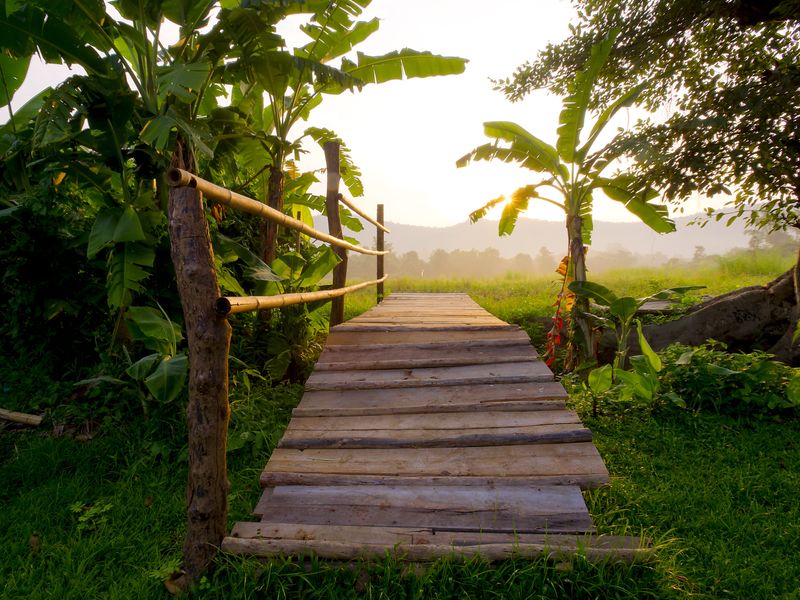
We can’t help but get excited when we visit somewhere with that extra spark; lesser-known places that show different depths to the destinations we love, with cultural connections that create the best kind of travel. Northern Thailand offers many such moments, showing you a side to the country that goes way beyond the usual trail. From Fang and Doi Pu Muen, high in the northern hills of Chiang Mai province, to Pai and Mai Son, near the Myanmar border, visiting this region offers the chance for a gentle, sustainably-focused exploration of local traditions and culture.
Depending on the experience you’re looking for, you can finely tune this extremely flexible route to suit. If you’re after a taste of the north to extend your wider Thailand journey, pick a spot or two and head there for a few days of rural recharging. Alternatively, put northern Thailand at the centre of your trip and spend a full two weeks immersed in the details and subtleties of this beautiful part of the country. However you see it, northern Thailand offers a hands-on experience of the country’s rural regions, and an immediate, tangible insight into a Thailand that goes much deeper than the headline cities and beaches.
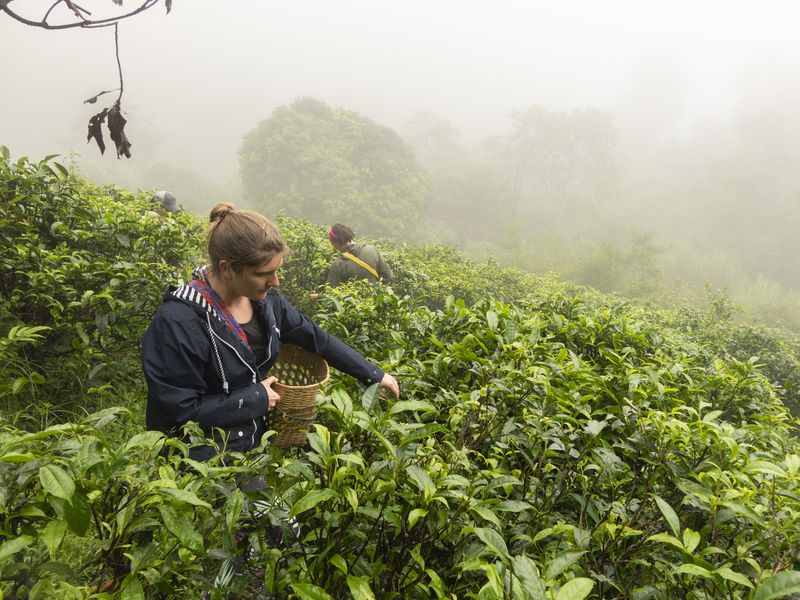
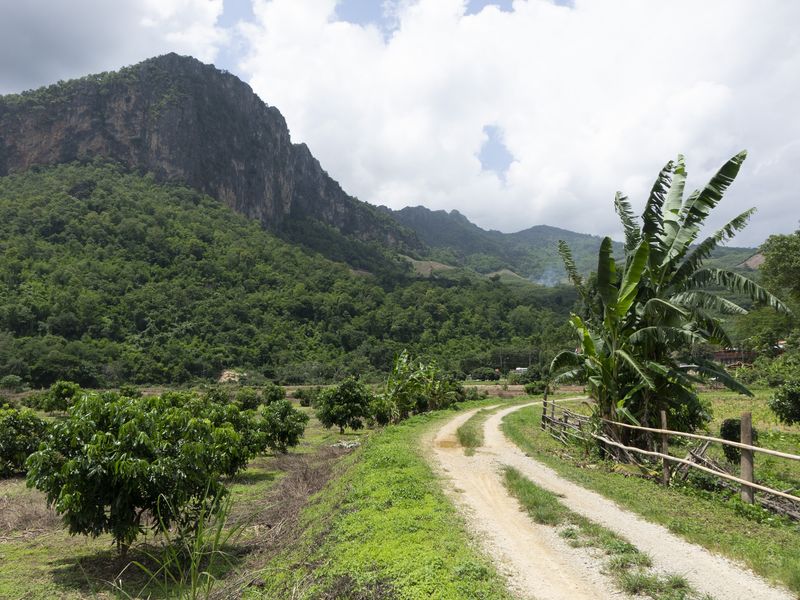
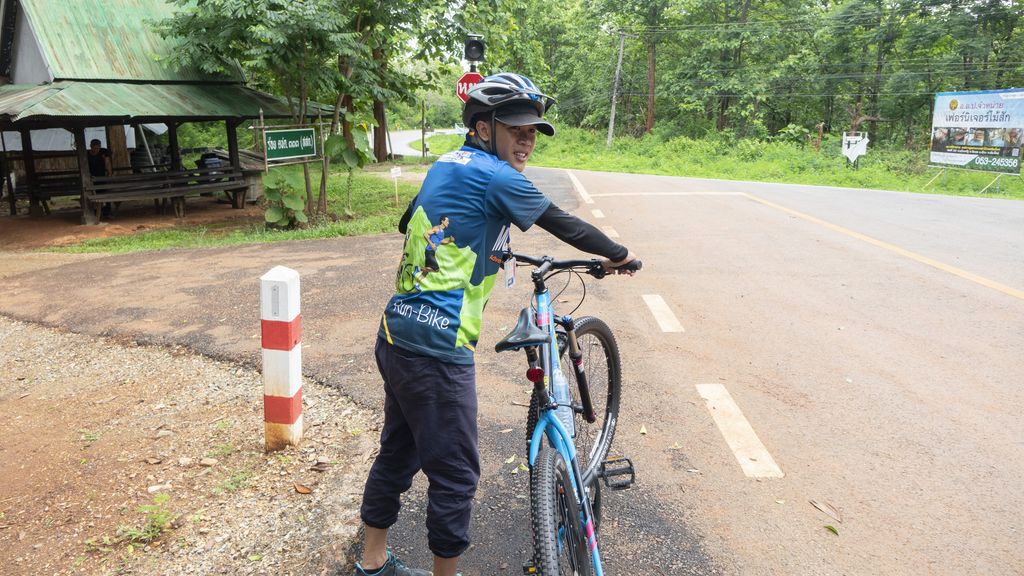
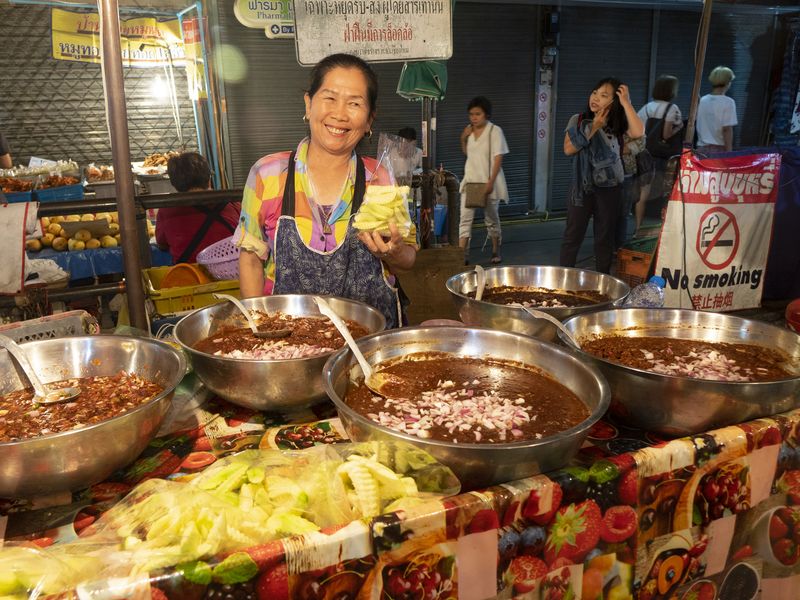
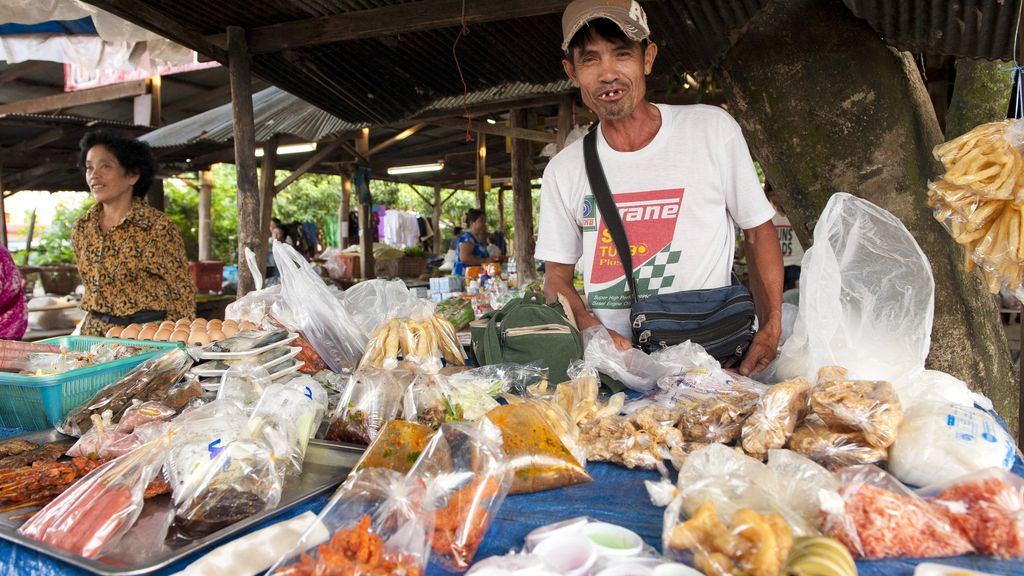
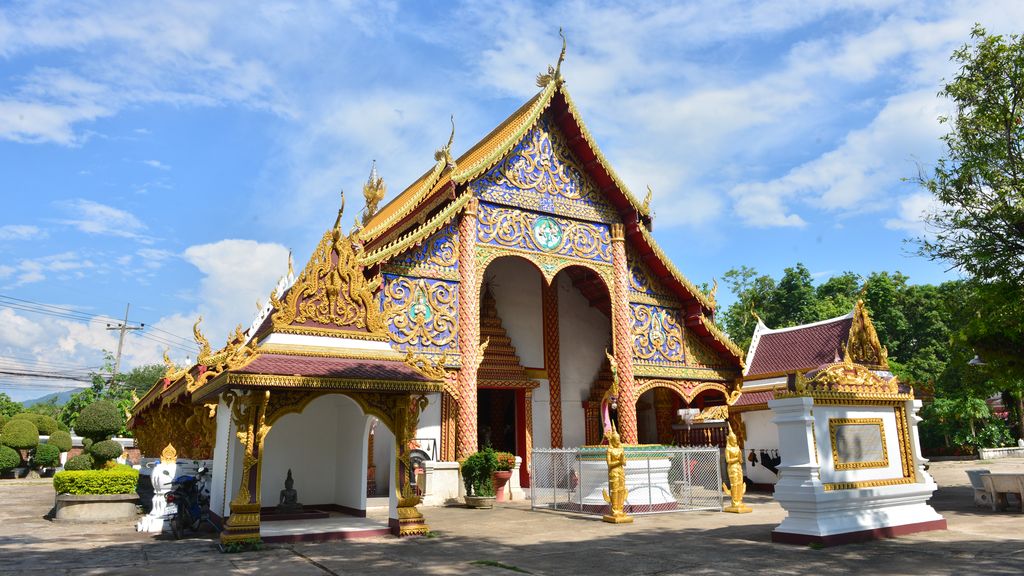
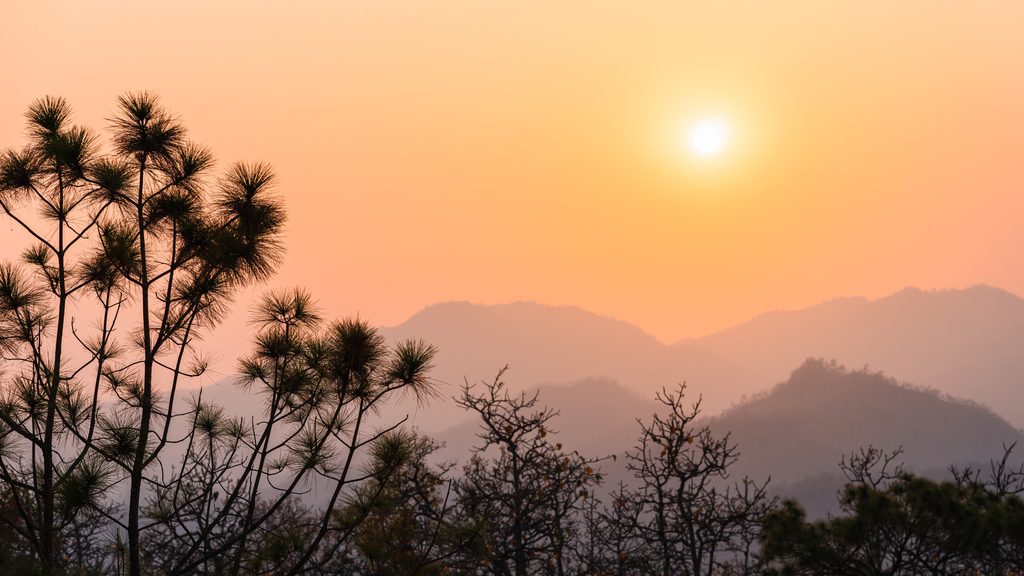
Whether you choose to wander among Fang’s misty tea fields, take in the sights and sounds of Chiang Mai’s northern markets, spend time with local hosts in Mae Son, or explore Chiang Rai’s artisan culture, this is a chance to soak up northern Thailand’s distinctive rhythms.
Gateway to the Golden Triangle
As the northernmost city in Thailand, Chiang Rai has a close-knit, small-town town feel. The vibrant night market, although a fraction of the size of Chiang Mai’s, is jam packed with traditional handicrafts and delicious street food, perfect for an evening wander.
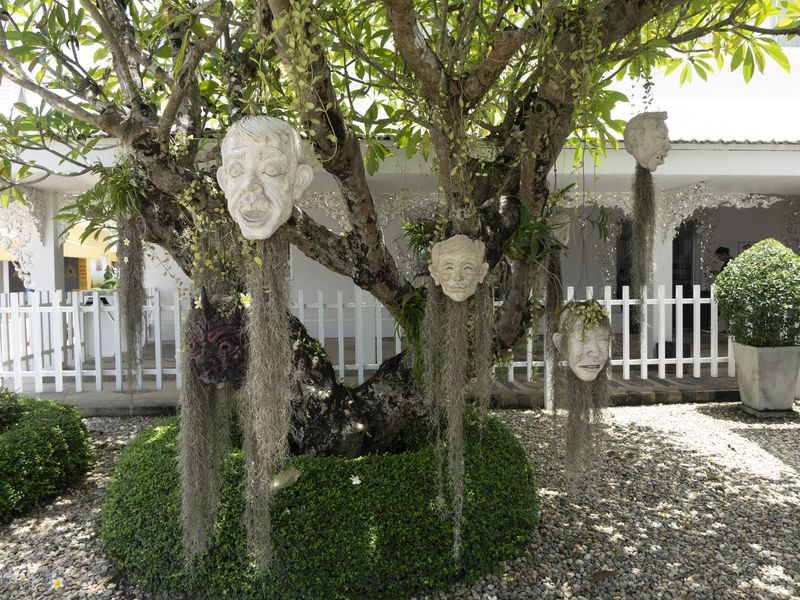
The city is also home to the exquisite White Temple, the work of locally-born artist Chalermchai Kositpipat. Reminiscent of a fairy tale castle, the extraordinary sculptural shapes covering every surface of the temple draw comparisons to Gaudi’s work, with something unexpected to see at every turn. Sunglasses are essential as the glare from the thousands of mirrors adorning the bright, white walls is intense.
A visit to the nearby Doi Tung Development Project offers the chance to see some of the region’s social enterprise in action. In an area that relied heavily on opium production until the late 1980’s, this project was set up to provide local communities with alternative livelihoods, including growing coffee and macadamia nuts, and still thrives to this day.
A home full of history in Fang
After a bumpy ride up the mountainside, a village comes into view with the Phumanee Lahu Home Hotel at its centre. Owned and run by a Lahu family, this characterful hotel proudly displays its heritage through design details and a dedicated exhibition space. The family history is fascinating - one of the family’s ancestors, Phu Muen (after whom the village is named) led the migration of his Lahu community across the border from Myanmar to Thailand more than a century ago. The accommodation is simple, but that’s not why you visit; it’s all about learning the subtleties of Doi Phu Muen’s traditional culture.
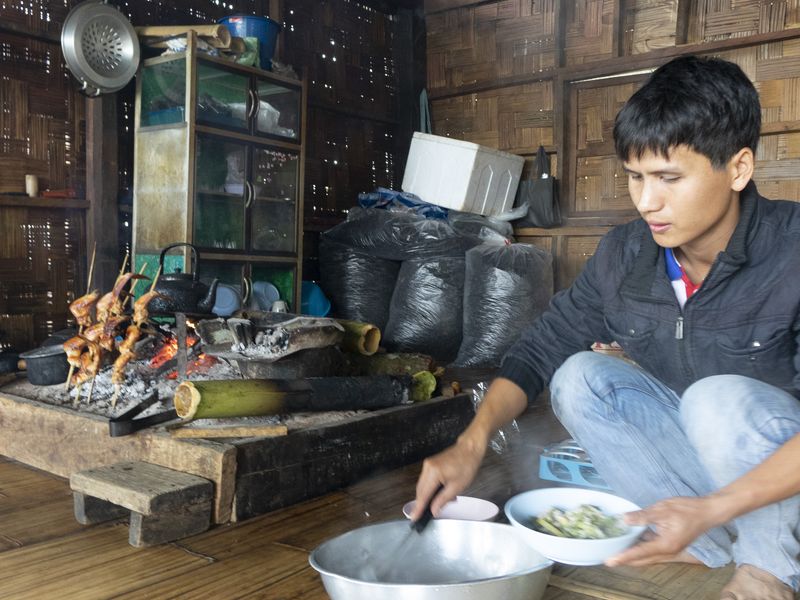
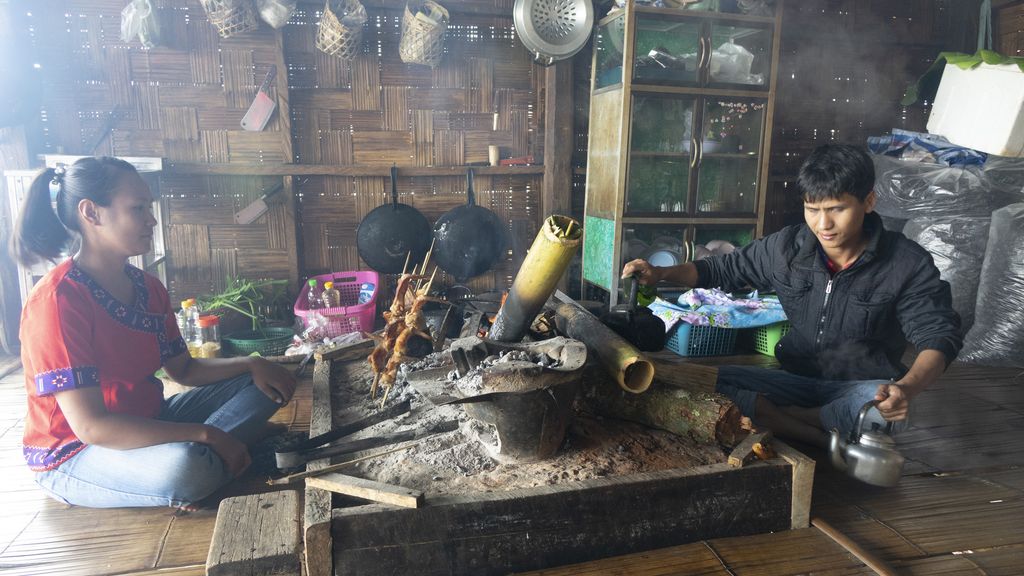
Roll up your sleeves and try your hand at picking tea leaves (a precise task that takes some finesse!) and basket weaving, which is much harder than it seems, before being welcomed into one of the family’s stilted houses to enjoy a home-cooked lunch. Once your eyes have adjusted to the lower light, take a seat on rattan mats as a traditional meal is prepared. Sense the smoke and incredible smells gently rising from the roasting food, then tuck into an array of delicious dishes alongside your welcoming hosts.
Rose of the North
Whether you want to relax by an open air pool overlooking the Ping River or amble through the bustling streets and markets, Chiang Mai is the ideal city to while away a couple of days, exploring at a leisurely pace. Visit a headily-scented herb garden to learn how they are used in traditional Thai cooking, board a long-tail boat for the journey along the Mae Ping River, and head to Warorot Market and join the bustle of locals as they go about purchasing fresh fruit, vegetables and spices.
If you’re in the mood for historical exploration, cycling through the backstreets to discover ancient temples in residential suburbs, away from the more tourist-heavy hotspots. As evening falls, take a ride through the town to one of its many night markets to soak up the sights, sounds and scents and feast on fiery local Thai dishes, from rich bowls of khao soi noodle soup to sour-and-smoky laap. Grab a beer, listen to local music, and enjoy browsing for handicrafts and keepsakes amid the throng.
Elephants in the wilderness
Elephant Hills Bush Camp sits right in the heart of northern Thailand’s rugged landscape. Run by the dedicated Elephant Hills team, this northernmost project allows visitors time and space to gently interact with free-roaming elephants in a welfare-aware way. Learn more about Thailand’s beloved pachyderms from the mahouts who care for them, and get a glimpse into the mahouts’ lives too as you watch the processes of pounding rice and weaving hand-made clothes, try some hearty home cooking, and help make paper from elephant dung.
When you’re looking for a few moments of cooling calm, take time out in the Elephant Café to watch the elephants roam peacefully through their natural habitat, and rest your head at the end of each day in spacious, safari-style tents with private verandas where you can sit and look out over the surrounding bush.
Crossing cultures
Venturing towards Thailand’s border with Myanmar brings you to one of the country’s most remote corners, where an agricultural way of life closely connects communities with the rhythms of the seasons.
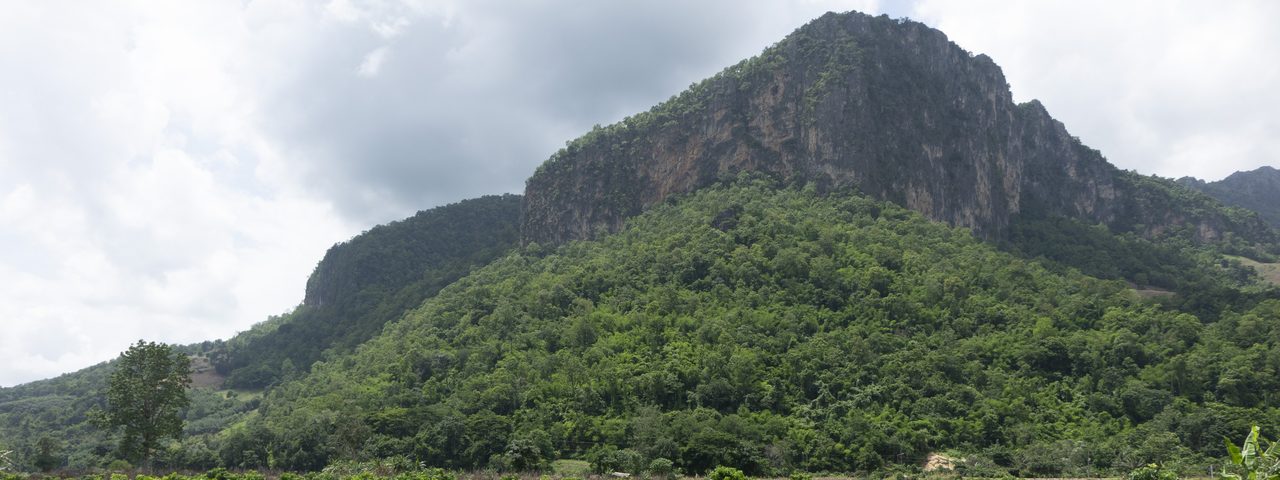
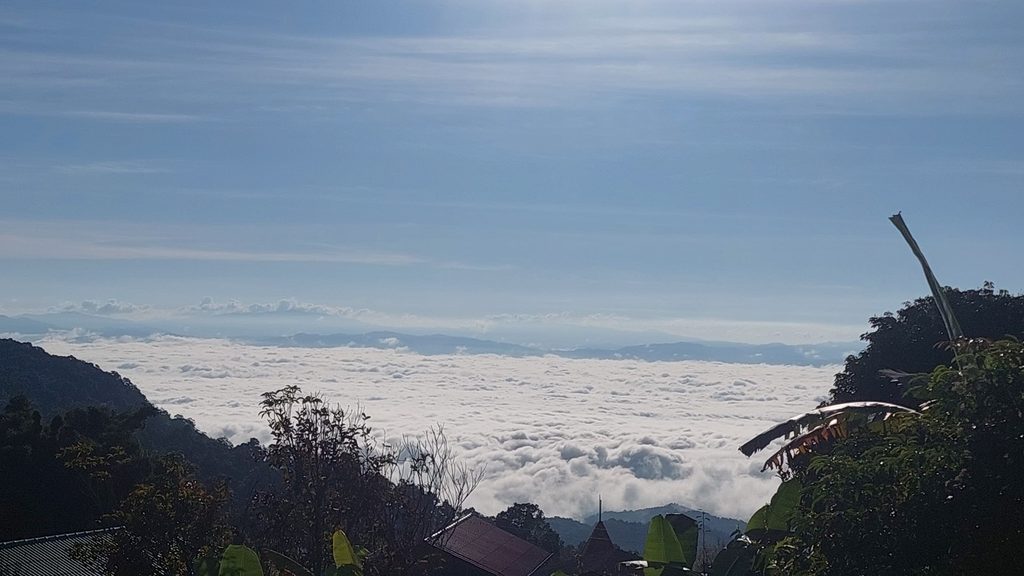
Tranquil Pai offers a landscape of forests, rice fields and small villages scattered across a broad valley. Wander through the hills, taking in the sweeping views of the mountains and farmland, discovering temples that reflect the region’s long history and spiritual traditions, connecting with local people, and gaining a sense of a different pace of life.
Beneath the equally forested hills of Mae Hong Son lies Tham Lod, one of Thailand’s most impressive cave systems, where the Nam Lang River disappears underground into a vast network of limestone chambers. Explore the caves by raft, drifting slowly along the river beneath towering rock formations, and watch thousands of bats stream out of the cave at dusk to hunt while swifts return to roost for the night in one of the region’s most memorable natural spectacles.
A slice of beach life…
If you’re keen to round off your Thailand adventure with a little sand-and-sea time, it’s as easy as Pai (sorry!) to fly south from Chiang Mai to any of the country’s blissful beaches. Discover Phuket’s less-crowded hidden coves, get the full castaway experience on Koh Lanta or Koh Lipe, or head back in time to the coasts of Koh Chang, with a hop-over to sleepy Koh Mak.
A note on cost…
The guide price of £2,990US$3,990 is a per person price (not including international flights) staying 2 nights in Chiang Rai, 2 nights in Fang (at the Phumanee Lahu Home Hotel), 3 nights in Chiang Mai, 1 night at the Elephant Hills Bush Camp, 2 nights in Mae Hong Son and 2 nights in Pai, staying in some of our favourite mid-range hotels.