Our Favourite Celebrations in Asia
by Kate G
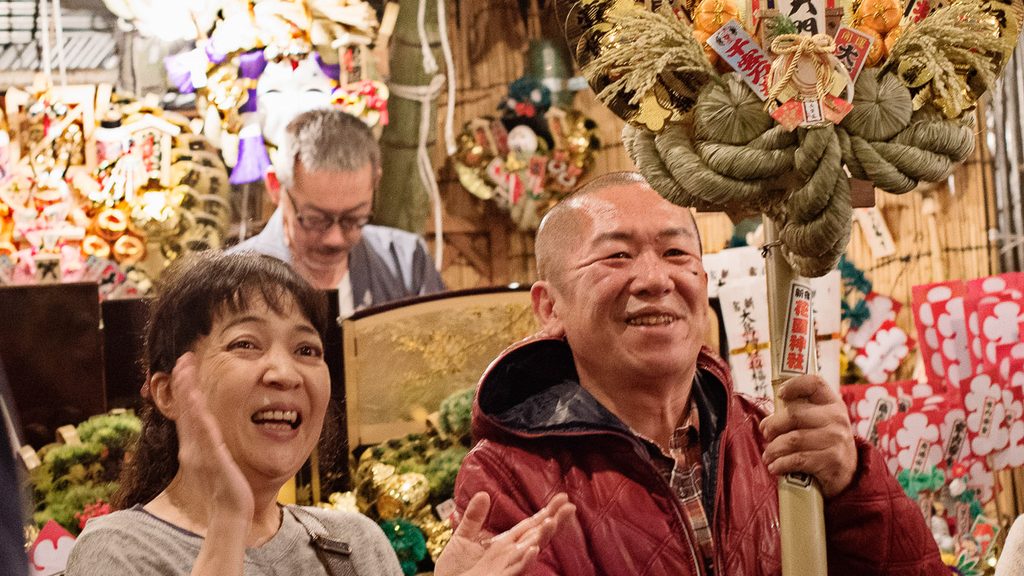
We all have traditional ways of celebrating the year’s big moments, from what and when we eat to the little rituals of the day, and Asia’s multiple festivals offer many opportunities to dine, drink and be merry. All across the region, celebrations involving feasting with family and friends pepper the calendar with vibrant colour, elaborate dishes and peaceful reflection.
Our team and partners across Asia have recounted their favourite festivals and traditions. From Sinhala in Sri Lanka to Losar in Bhutan, we’ve gathered together a sprinkling of their celebration stories to get you feeling festive…
Tết in Vietnam
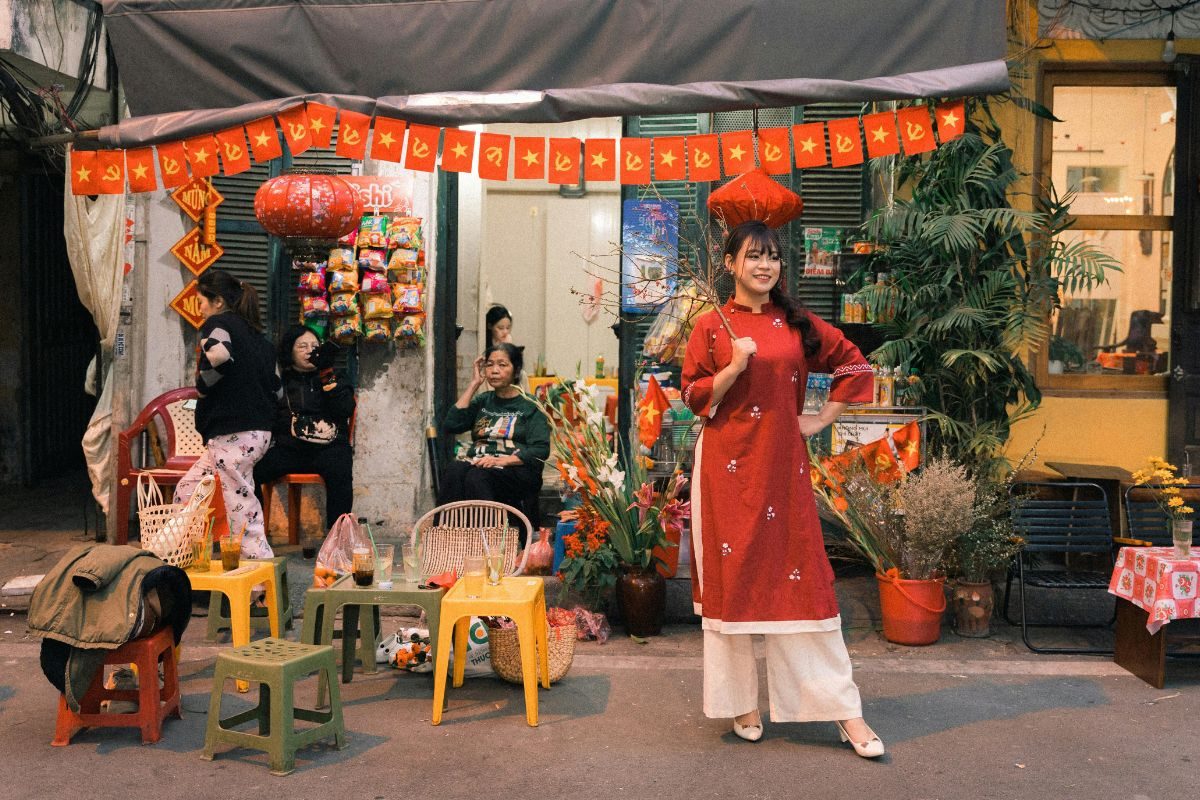
I love Tết - it’s the most important traditional holiday in Vietnam, marking the beginning of the Lunar New Year in January or February, and is a time for family reunions, honoring ancestors, and welcoming good fortune for the year ahead. The main Tết celebrations, which last 4 days (but tend to spread out a little longer!), are filled with warm family gatherings, vibrant cultural traditions and a joyful, hopeful atmosphere across the country.
Preparations begin weeks in advance, as cleaning, decorating, and sprucing up is a big part of the holiday tradition. In the days before Tết, markets and streets are jam-packed as people shop for new clothes, get haircuts, get ingredients for special dishes, buy flowers, and even wash their motorcycles.
Each home and office decorates with signs wishing everyone ‘Chúc Mừng Năm Mới’ (Happy New Year), and flowers too. Streets burst with colour as special festive trees, including kumquat and peach flower, are transported on the back of motorbikes!
Families prepare traditional dishes, such as bánh chưng parcels, bánh tét sticky rice, and many other festive foods to enjoy together. We visit relatives, give lì xì (lucky red envelopes) to children and elders, and pray for health, happiness, and success. Many people also visit pagodas or temples to make wishes for the new year.
People from all over the country return to their home towns for the holiday, with many businesses and restaurants typically shut for a few days, and the first few days of Tết are a rare chance to see Vietnam’s big cities empty of noise and traffic.”
from Trang in Vietnam
Losar in Bhutan
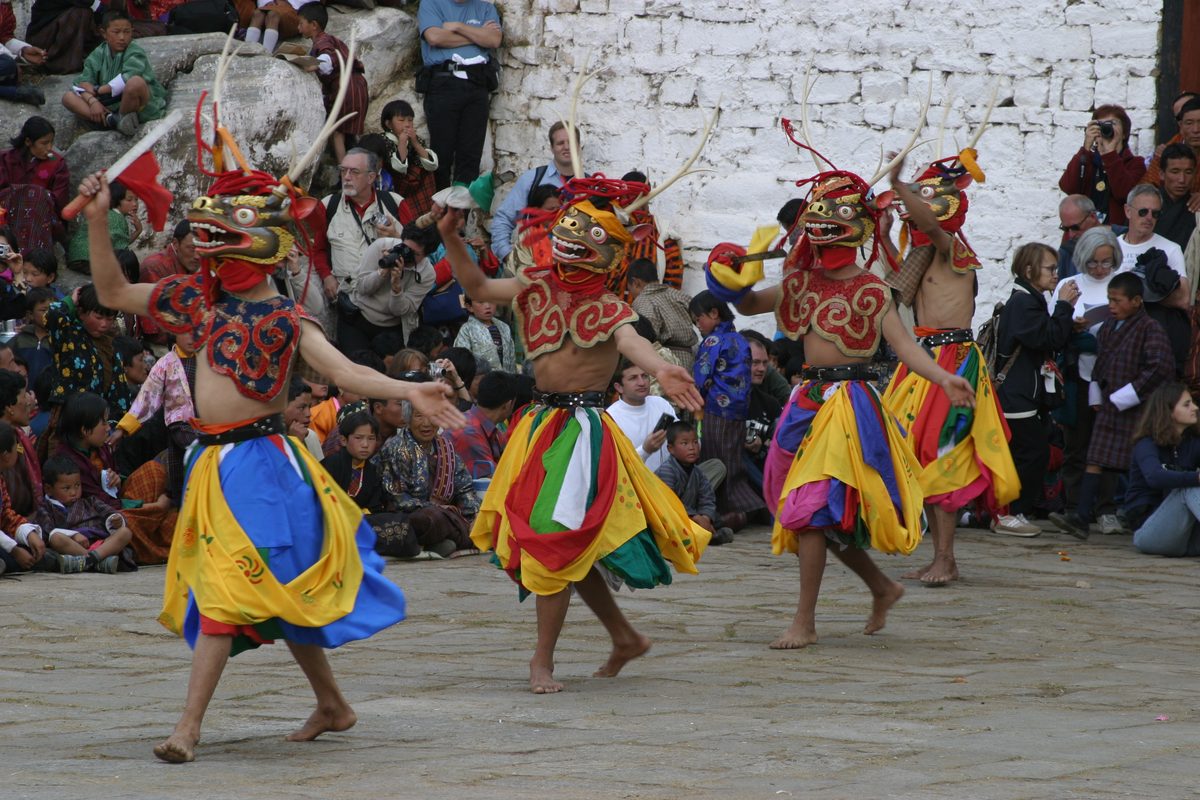
“Most people in Bhutan, including myself, celebrate Losar as our main national holiday. Losar is our New Year: “Lo” meaning year and “Sar” meaning new. It’s a time for family reunions, strengthening community ties and honoring cultural traditions. We follow the lunar calendar based on the Tibetan/Mongolian system, so our New Year doesn’t fall on January 1st, but in February or early March, depending on the year.
The whole country gets a national holiday; government offices and schools are closed, and families and friends get together to pray for peace and prosperity. The day usually starts with a bath, and offerings or butter lamps and tshok (milk, butter, rice, etc.) at the home altar. We purify the house with juniper incense and light lamps to ward off negativity.
We believe the way you start the year sets the tone for the rest of it so we practice gratitude, wear new clothes, eat good food, pray and spend time with our loved ones. We also make resolutions for the coming year, and our phones constantly buzz with Losar greetings, usually digital cards featuring this year’s animal.
Breakfast is normally thukpa rice soup with dried cheese, suja butter tea, and desi saffron rice. It’s usually cold in Thimphu during Losar, so it feels super cozy sitting by the bukhari (wood burning stove) enjoying hot thukpa with family. Lunch is a big feast too — red rice, sikam (dried pork), shakam (dried beef) with dried chilies & veggies, ema datshi, and gondo datshi (eggs with cottage cheese). We also have sweets like fried biscuits, sugarcane & fruits.
In my family, we like to pack our lunch and have a sunny picnic at a park with some local beer. The men often play archery and khuru (darts), spending the whole day enjoying the moment. Many people visit a temple before lunch to pray for a good year, and shops stay closed because everyone wants to celebrate with their families.
It’s truly a special holiday and one I look forward to every year.”
from Karma in Bhutan
Sinhala in Sri Lanka
“One of my favourite celebrations in Sri Lanka is the Sinhala and Tamil New Year, which falls in April and marks the end of the harvest season. It’s a wonderfully joyful time when the whole country seems to pause, reconnect, and start afresh.
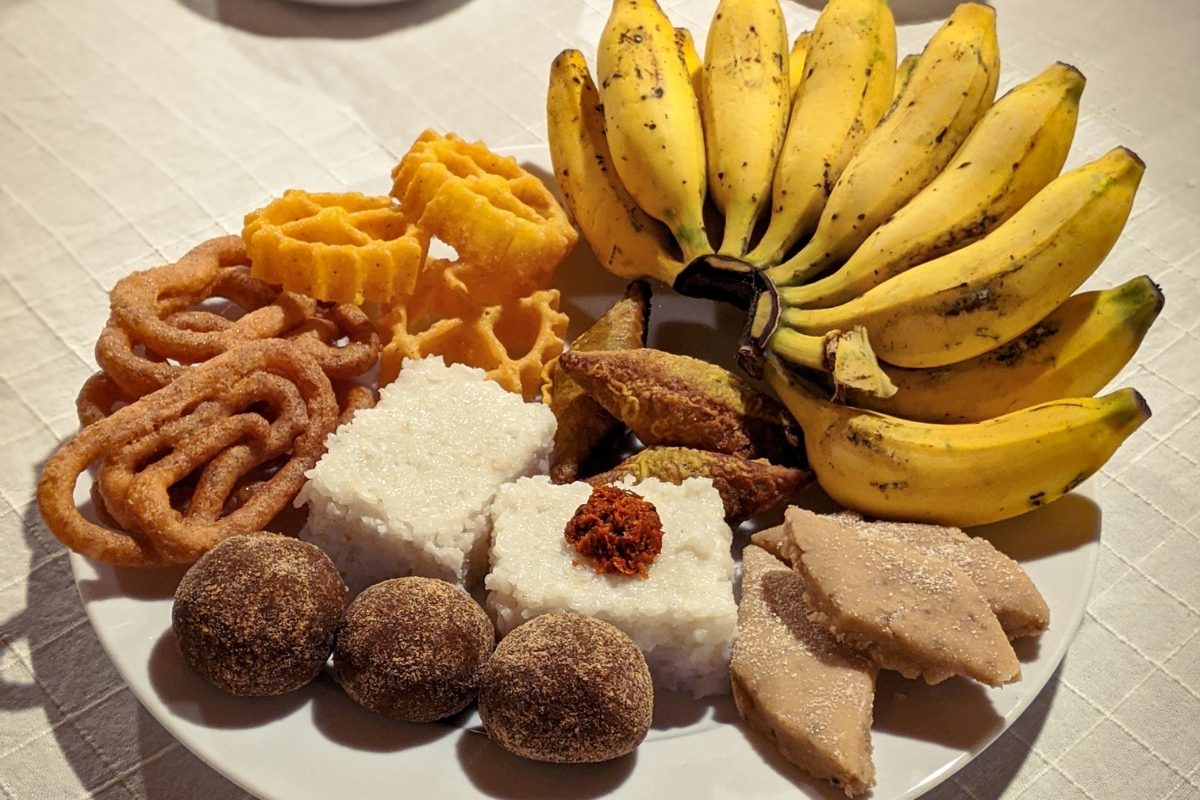
The festivities begin with age-old customs tied to astrology, lighting the hearth, preparing traditional sweets, and sharing the first meal of the season with family. Homes are filled with the smell of kavum, kokis, and milk rice, and there’s a real sense of togetherness as everyone visits relatives, exchanges gifts, and offers blessings for the year ahead.
Across villages and towns, you’ll find lively New Year games, from pillow-fights and tug-of-war to the much-loved pot-breaking competitions, all adding a playful spirit to the holiday. For me, it’s a time to slow down, be with family, and enjoy the simple pleasures that root us in tradition.”
from Kevin in Sri Lanka
Get in touch with our Destination Specialists to start planning your next trip to Asia.
by Kate G on 17th December 2025