Spirit of Laos
There’s a saying in Laos - bor pen nyang - which literally translates as ‘keep your ears open’, but its true meaning is more subtle and complex: ‘never mind’ and ‘don’t worry’ but much more too. It’s a shorthand Laotian way of looking at life that doesn’t take things too seriously; a reminder that letting each moment unfold as it will brings rewards. Step away from the classic routes through Laos to experience the country at its own pace, allowing yourself to follow its calmest rhythms. Discover a deep, natural connection that brings you closer to this resilient country, and feel its steady heartbeat.
This is a gentle way to experience northern Laos, connecting you with its local culture and community. Cycle and walk through forests jewelled with dozens of rare orchids, float along the meandering Nam Ou river past remote villages and limestone caves, and find yourself welcomed into a local homestay to get a taste of rural Laotian life. From the sleepy village of Luang Namtha to dedicated elephant conservation in Sayaboury, breathe deep in a few less-visited corners of this multi-layered country.



Moving across the border from Thailand’s Golden Triangle, this route takes in the forests and mountains around Luang Namtha and Oudomxay before cruising down river to the welcoming Nam Ou River homestay. Stay in a stilted wooden house closer to the water, get to know your homestay hosts, and play petanque in Luang Prabang, before winding up in Sayaboury to spend time with the team at the inspiring Elephant Conservation Centre.
Across the Mekong
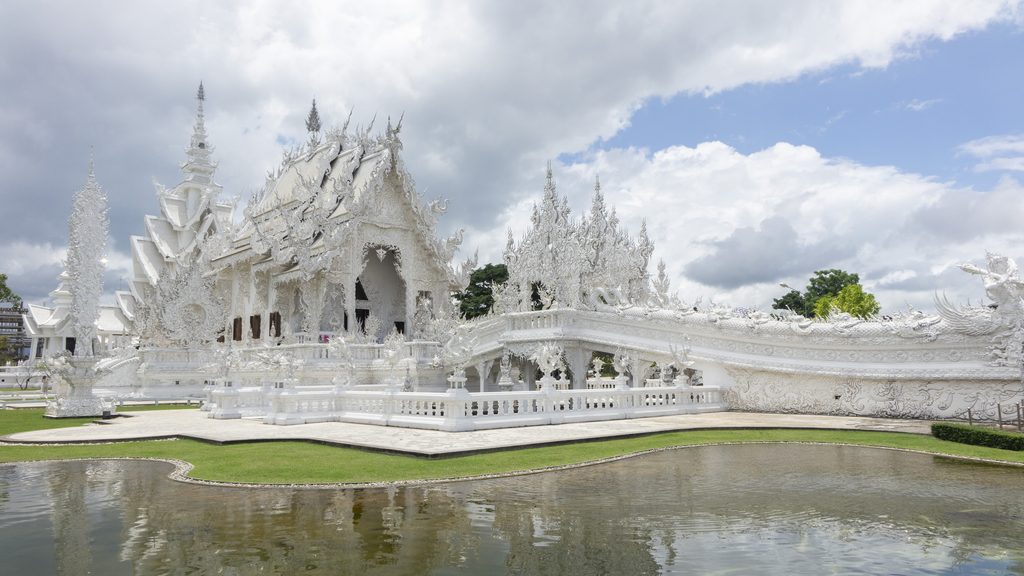
In comparison to some of Thailand's cities, Chiang Rai definitely has a more leisurely pace, which sets the tone for the rest of this trip. Settle into a comfortable base on the outskirts of the city, further into the forested hills and tea plantations, and make the most of the fresh air and mountains on the horizon. Make your way back into town to admire the renowned White Temple and sample Chiang Rai’s famous street food. Try dishes such as spicy-sweet khao soi coconut curry, herby sai oua sausage or sweet mango rice, washed down with a variety of regionally-grown teas.
Drive away from the city to learn about the realities of life in rural northern Thailand, and some of the challenges that farmers have overcome with help from locally-run social enterprise projects. Meet the local artisans preserving traditional Thai crafts and visit quiet temples set into the hills, before crossing the Mekong into Laos.
Countryside & community
The little town of Luang Namtha feels a million miles away from much of the rush of modern life. Surrounded on all sides by vivid rice fields and lushly-forested hills, with wild mountains on the horizon, it’s a rare and special place, a little further from the main tourist trail. Being close to the borders with China and Myanmar once made it a natural hub for trade, bringing many of the area’s different cultures together, and there are still many distinctive communities living here.
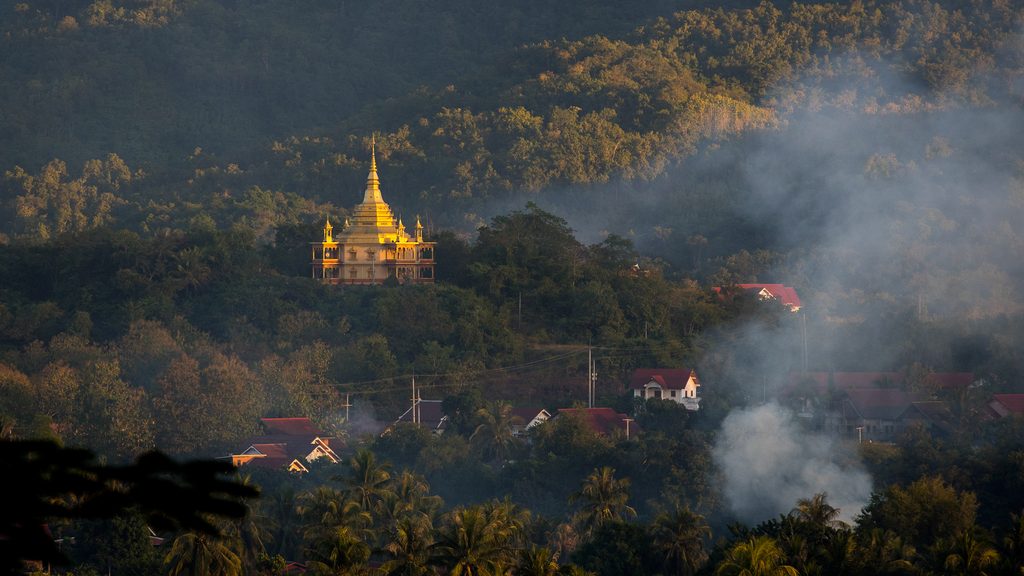
Trek through traditional Khmu and Akha villages where artisans practise traditional silk weaving with natural dyes, bamboo paper making and Lao rice wine production, and visit deep caves nearby filled with beautiful rock formations. For those comfortable on two wheels, there are some great cycling options through the rice fields and villages to secluded waterfalls, or to Phoumpok Stupa for sweeping views back down over Luang Namtha.
Quiet roads & deep roots
As the route curves towards Oudomxay, you feel a change in the landscape. The sharper peaks soften and open out to reveal a broader-brush terrain of forests, hills and valleys, and the contrast highlights the beauty of both. Whilst this region is opening up a little more now, thanks to the connections provided by the Laos-China railway, it remains one of Laos’ least-visited spots. Many different community villages thrive in these secluded hills, including Ikhos, Akha and Khamu, and some are still only reachable by off-road vehicle (or by serious trekking!) Spend time here glimpsing a life that’s still forged around planting, foraging, crafting, and the natural rhythms of the seasons.
The region’s biodiversity is outstanding, with plentiful birdlife and up to 60 species of wild orchid scattered across the hills. From the serenity of the Nam Kat Yorla Pa resort, take time to follow walking paths through the wild surroundings, and discover waterfalls and pockets of natural beauty. Follow ropeways high above the forest floor, look out for diverse birdlife in the trees, and return to the resort for wellness treatments and wholesome meals.
Downriver to Nong Khiaw
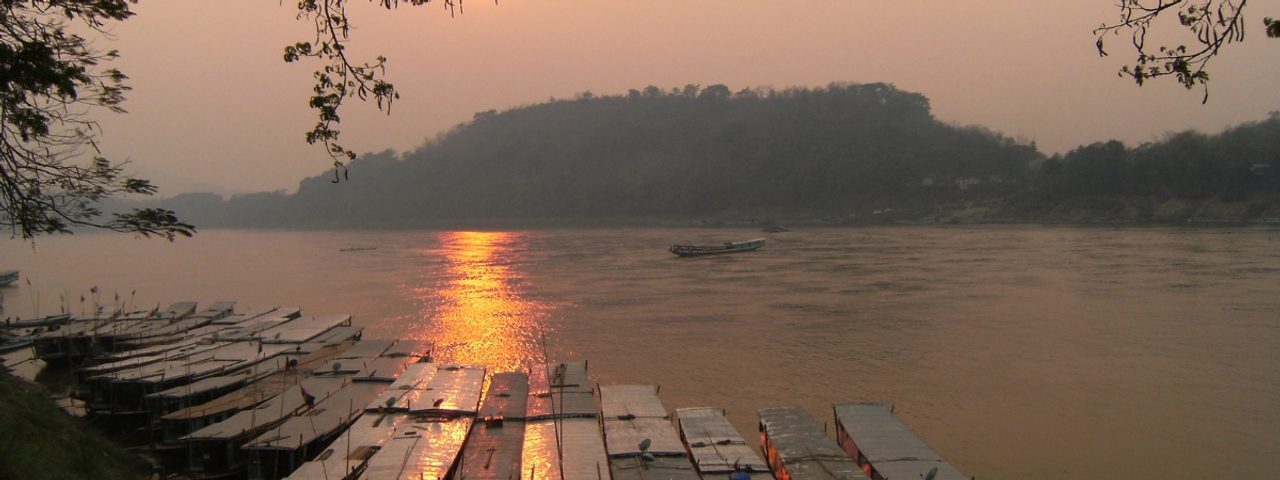
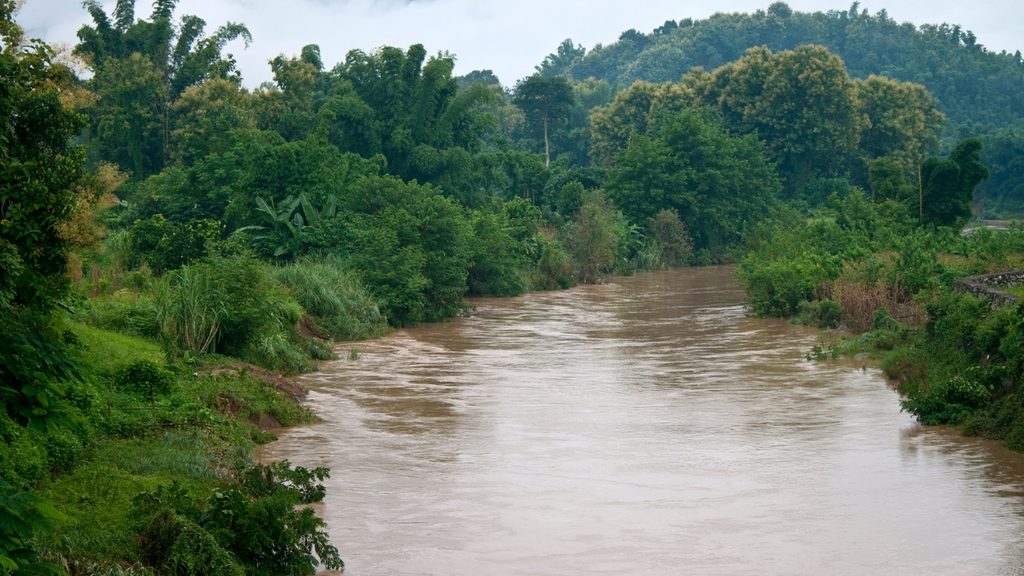
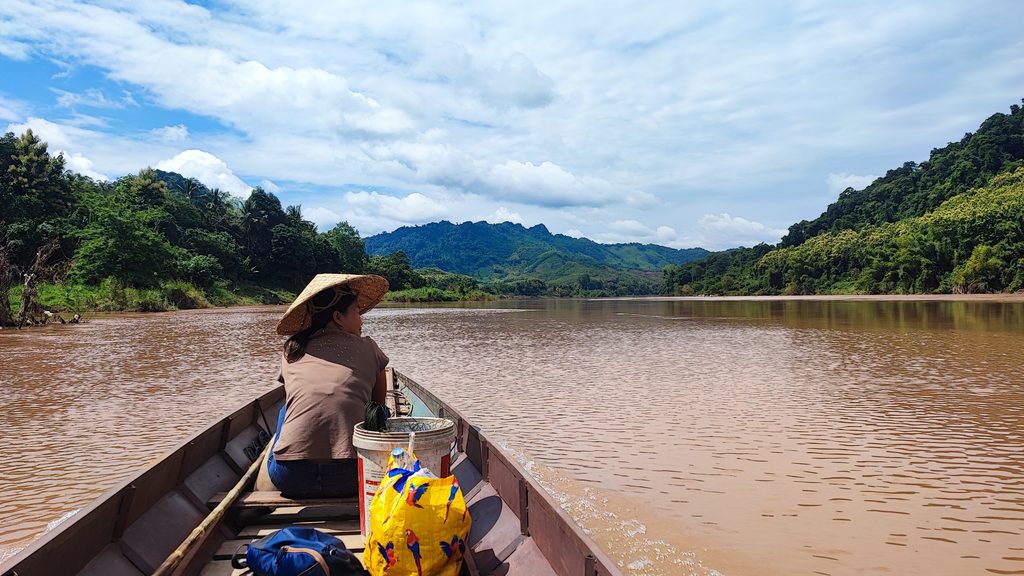
Take to the water for a private cruise downriver from Muang Khua, via the modern hydropower dam. This is another opportunity to let the natural pace of things take the lead, as you give yourself up to the river’s rhythms and enjoy the scenery along the riverbank. This section of the river is one of its most beautiful, and it’s a joy to simply watch the banks as you drift along.
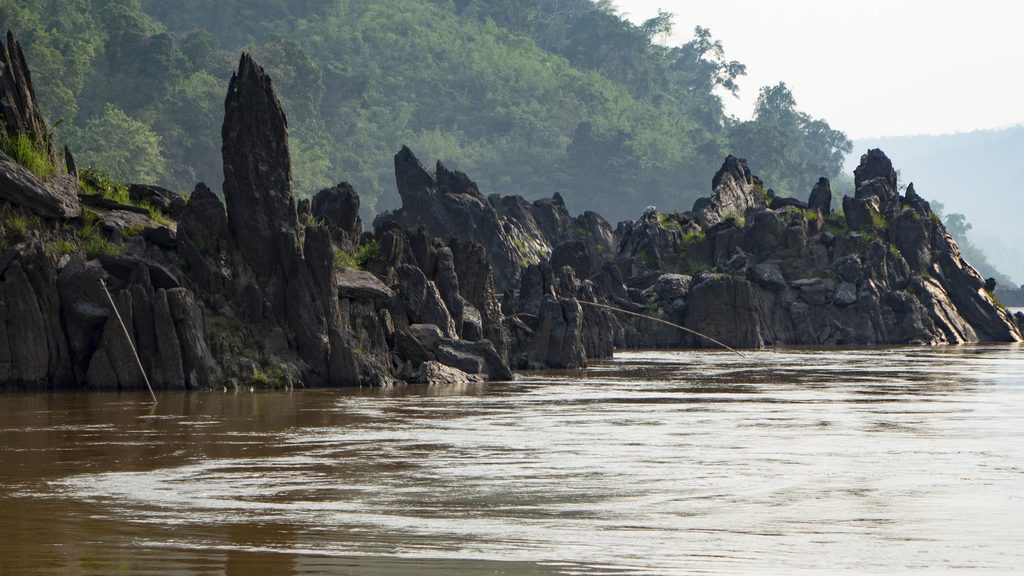
Disembark at Nong Khiaw, a small town set between sheer karst limestone cliffs on the banks of the Nam Ou. Though definitely on the map these days, it’s still an unspoilt and engaging place to experience small-town Laos life. Cycle to the local limestone caves, trek to the Tad Mok waterfalls and, perhaps, take a dip in the refreshing pools. Back out on the water, make your way to a Khmu village to spend time soaking up local life, and enjoy a picnic lunch at a serene spot surrounded by nothing but the sounds of the forest and the river.
Riverside home-from-home
Set back from the water, sheltered by a scattering of forest, Ms. Kham’s 100-year-old stilted house sits stalwartly and surely, ready to welcome guests just as it has for decades. Ms. Kham herself, or a member of the family staff, will greet you with a smile as soon as you arrive at the Nam Ou River homestay, instantly making you feel at home. This is an invitation to experience proper rural Laotian life in the village of Ban Muang Soune, and is a real highlight of this trip.
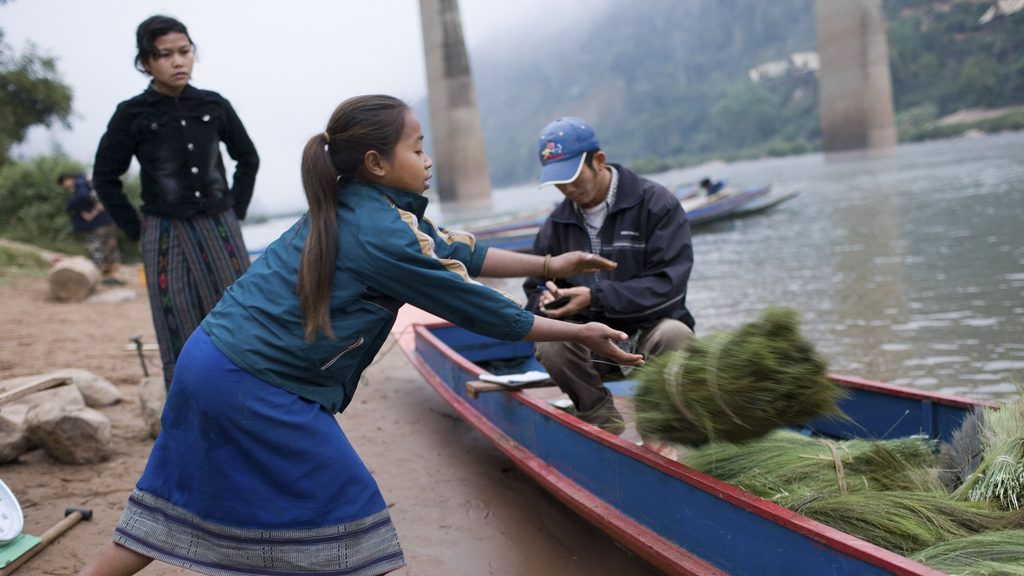
Settle into your simple, cosy accommodation and spend time with the family, before heading out to explore the village and shop at the market for fresh local produce. Back at the homestay, get stuck in helping to prepare dinner to enjoy together around the family table. If you’re an early riser, you can join the almsgiving ritual at the local temple, which offers a different, more personal perspective of the country’s spiritual traditions.
Backstreets & buffaloes
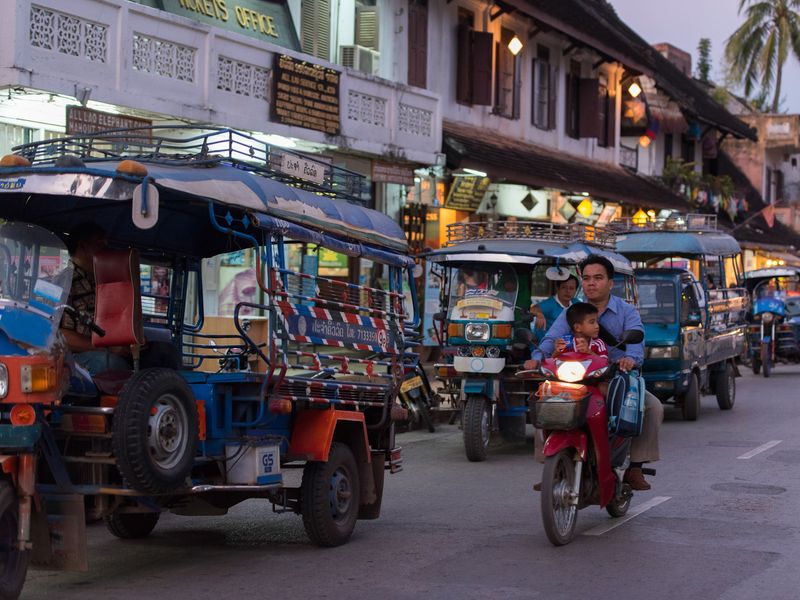
Luang Prabang features prominently in most journeys through Laos, as well it should - it’s a truly fantastic city, and very different to many of Asia’s modern metropolises. Time in Luang Prabang is never wasted, and it’s always nice to find a few new angles on this old friend. Enjoy the city’s highlights, from the early morning markets filled with the aromas of incense and coffee and a hundred street food treats, to its grand gilded temples, and step behind the main streets to play petanque with the locals. Discover inspiring community-run projects, including Big Brother Mouse, which distributes specially-created books to local children, and the Lone Buffalo Dairy, supporting farmers and making delicious ice cream and other treats - make sure you try a few!
Head across the Mekong to discover the city’s quiet-side surroundings. From the village of Ban Xieng Mene, cycle along dirt tracks through forested landscapes and sleepy communities, pausing in Ban Nakham to try sticky rice and coconut kaolam. Picnic near Ban Som and ride on through fields and forest to Ban Chan, a village known for its traditional pottery, before crossing back over the river into a different world.
Just being elephants
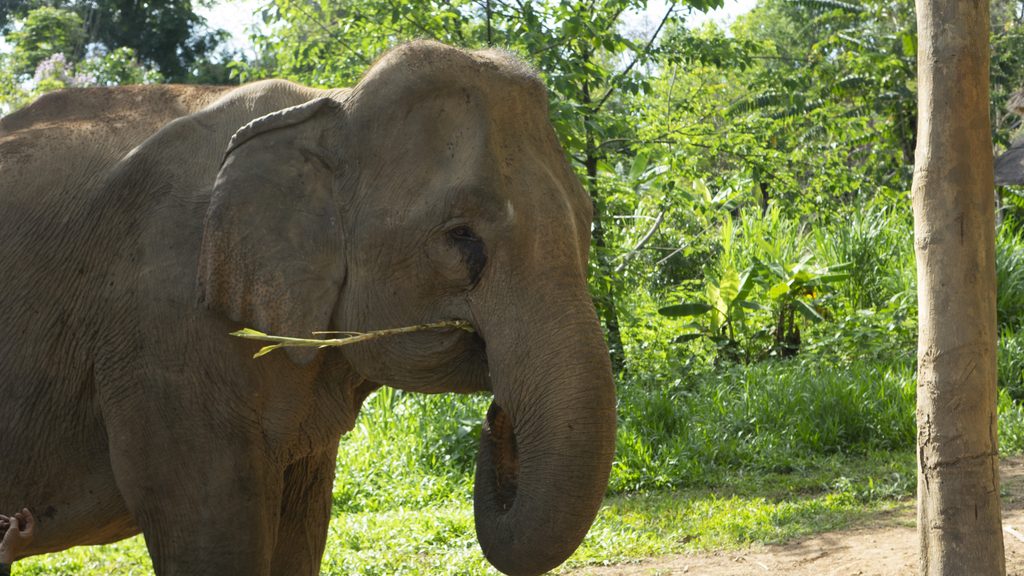
We’ve always loved learning about the fantastic conservation work of the Elephant Conservation Centre near Sayaboury, and its refreshed accommodation now makes a stay even more tempting, with opportunities to swim or kayak on the lake after a day with the project. Visits here aren’t about just popping in and taking a casual look at the conservation. Staying for a night or two means immersing yourself in the work, and going beyond what many elephant conservation experiences are able to offer.
Elephant conservation can be intense, complex work, and this experience offers a privileged insight into the day-to-day work of the project. Spend time in the forest, walking respectfully alongside the herd, watching them forage, socialise, bathe, and spray water in the lake. Learn about the elephants and their needs from the dedicated staff, hearing each animal’s story and how the project is working towards a sustainable future for the elephants and those who care for them.
Where next?
It’s easy to extend your trip with travels further into Laos, or even across the border. Wend your way overland to Vang Vieng to gaze at the region’s striking karsts, caves and rivers, and cosy down in a rural hotel to enjoy hiking, kayaking and simply soaking up the views. Alternatively, hop south to the 4000 Islands to experience Laos’ unique inland beaches, before striking out overland into Cambodia…
A note on cost…
The guide price of £3,190US$4,190 is a per person price (not including international flights) staying 2 nights in Chiang Rai, 2 nights in Luang Namtha, 2 nights in Oudomxay, 2 nights in Nong Khiaw, 1 night at the Nam Ou Riverside homestay, 4 nights in Luang Prabang, and 2 nights at the Sayaboury Elephant Conservation Centre, in a mixture of simple accommodation and mid-range hotels.