














72 Seasons in Japan: A Poetic Year




The broad brush seasons of spring, summer, autumn (or fall) and winter give a pretty clear overview of the year in the world’s temperate regions, but why stop at just four?
Japan’s oldest calendar goes much further, splitting the year into 72 poetic snapshots, each describing the mood and feel of a few days via a single change in nature.
Using the ancient Chinese calendar as a framework, 17th-century astronomer, Shibukawa Shunkai, established the jōkyō-reki, rewriting Japan’s detailed diary of 24 sekki and renaming the 72 more finely divided kô, or micro-seasons. Beginning in February, in line with Lunar New Year, each sekki has three associated kô: a few words that evoke changes in climate, daylight, flora and fauna. Though something is undoubtedly lost in translation, each sekki still forms a rather beautiful haiku-esque poem.
Take a minute to pause and contemplate today’s micro-moment…
Start planning your journey here...
Give us a call 9am-5pm UK time Monday to Friday, or make an enquiry online at any time.
Spring - Haru 春
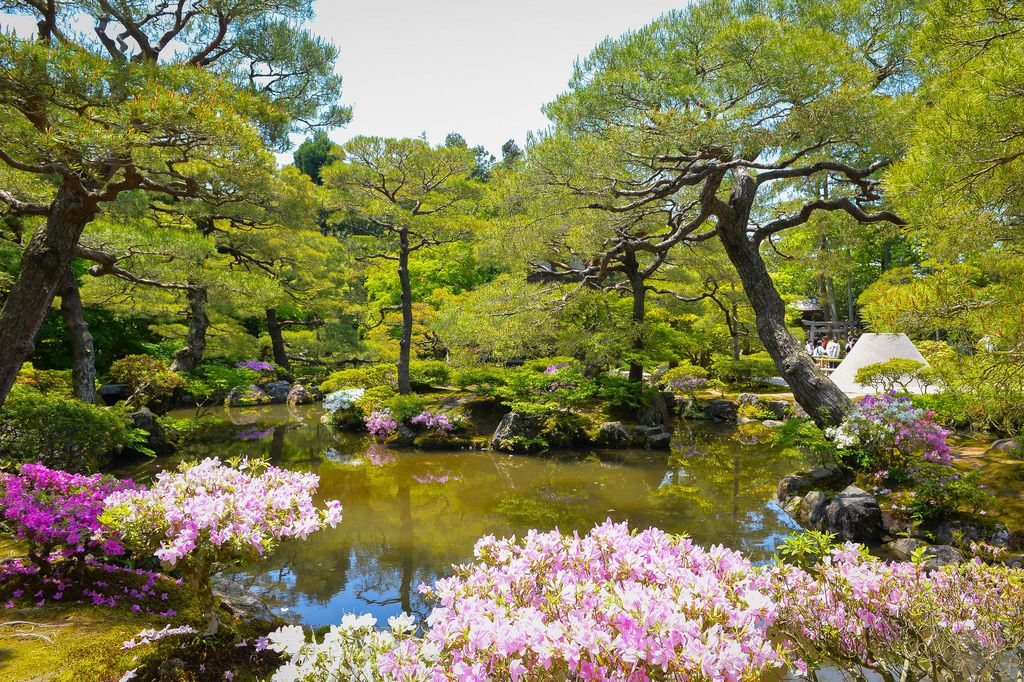
There’s something about the air in late spring that just makes you breathe deeper (unless you suffer from hay fever, perhaps!). There’s the sense that everything is growing again; a positive momentum after the winter haitus. And, of course, sunny days interspersed with plenty of April showers.
Spring in Japan usually means one thing: sakura, or cherry blossom. We highly recommend giving Japan’s main cherry-blossom weeks (March to early April) a complete miss, as overcrowding is a huge problem. However, if you’re canny and time your visit towards the end of April, perhaps from 15th onward (avoiding Golden Week at the April-May crossover, when the country grinds to something of a halt), and veer well away from the main blossom hot-spots, you can enjoy Japan’s spring landscapes with fewer crowds.
Spring Begins – Risshun 立春
Warm winds melt the ice (Feb 4th – 8th)
Nightingales start to sing (Feb 9th – 13th)
Fish swim as waters thaw (Feb 14th – 18th)
Soft Rains – Usui 雨水
Rain awakens the soil (Feb 19th – 23rd)
Morning mists linger (Feb 24th – 28th)
Grasses and trees begin to bud (March 1st – 4th)
Nature Stirs – Keichitsu 啓蟄
Sleeping insects awaken (March 5th – 9th)
First flush of peach blossom (March 10th – 14th)
Caterpillars transform into butterflies (March 15th – 19th)
Spring Equinox – Shunbun 春分
Sparrows build their nests (March 20th – 24th)
Cherry blossoms flower (March 25th – 29th)
Rumbles of distant thunder (March 30th – April 4th)
Clear & Bright – Seimei 清明
Swallows arrive (April 5th – 9th)
Wild geese fly north (April 10th – 14th)
Rainbows brighten the sky (April 15th- 19th)
Growing Rains – Kokuu 穀雨
Reed shoots sprout (April 20th – 24th)
Last frosts, first rice seedlings (April 25th – 29th)
Peonies flourish (April 30th – May 4th)
Summer - Natsu 夏
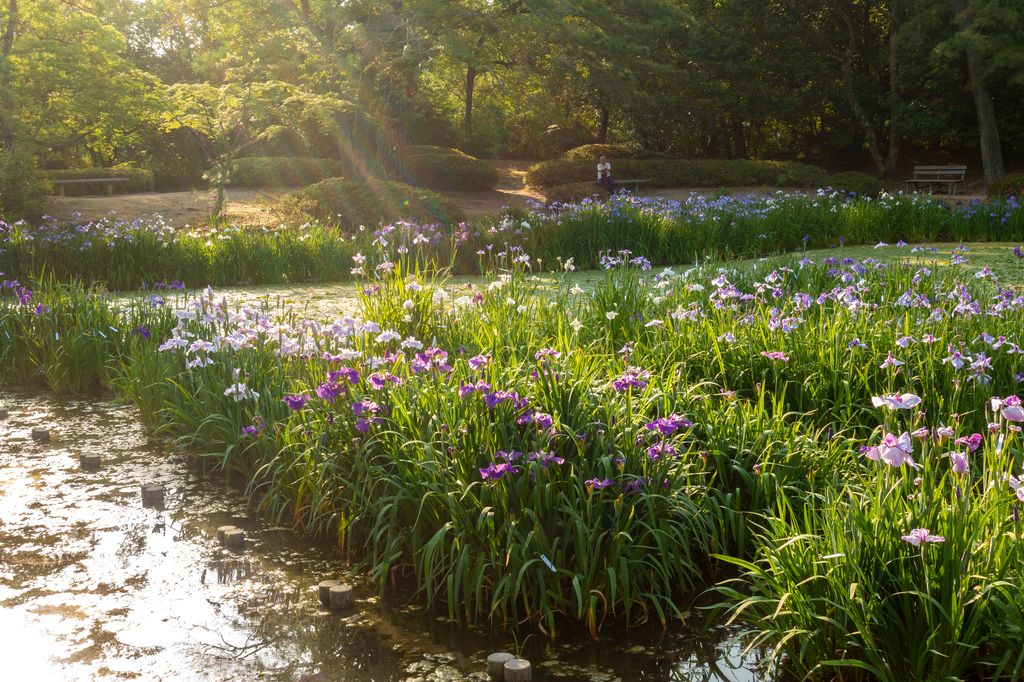
Sleepy bees bumble between flowers as the lazy, hazy days of summer lengthen. When the temperature rises, and it’s too hot to move quickly, shady spots and cool seas beckon. Ice creams are gobbled, grasses turn golden brown and barbeques sizzle.
Summers in Japan can get relentlessly hot, with temperatures rising during July, and frequently reaching over 40°C in August’s peak, so visits during this season should definitely be undertaken with caution. However, air conditioning is almost universal, and trips during the early summer months in May and June can be extremely rewarding if you plan them just right.
Start of Summer – Rikka 立夏
Frogs sing to the evening (May 5th – 9th)
Worms emerge to daylight (May 10th – 14th)
Green spikes of bamboo (May 15th – 20th)
Small Treasures – Shôman 小満
Silkworms munch mulberry leaves (May 21st -25th)
Golden safflowers open (May 26th – 30th)
Ears of wheat bend for harvest (May 31st – June 5th)
Ears of Grain – Bôshu 芒種
Praying mantis emerges (June 6th – 11th)
Fireflies rise from fading grass (June 12th – 15th)
Ripening plums turn yellow (June 16th – 20th)
Summer Solstice – Geshi 夏至
Heal-all leaves wither (June 21st – 26th)
Purple iris blooms (June 27th – July 1st)
Crow-dipper starts to sprout (July 2nd – 6th)
Gentle Heat – Shôsho 小暑
Warm breezes whisper (July 7th – 11th)
Lotus blooms unfurl (July 12th – 16th)
Fledgling hawks take flight (July 17th – 22nd)
Fierce Heat – Taisho 大暑
Paulownia fruit fattens (July 23rd – 27th)
Damp earth, humid air (July 28th – August 1st)
Occasional downpours drench (August 2nd – 6th)
Autumn - Aki 秋
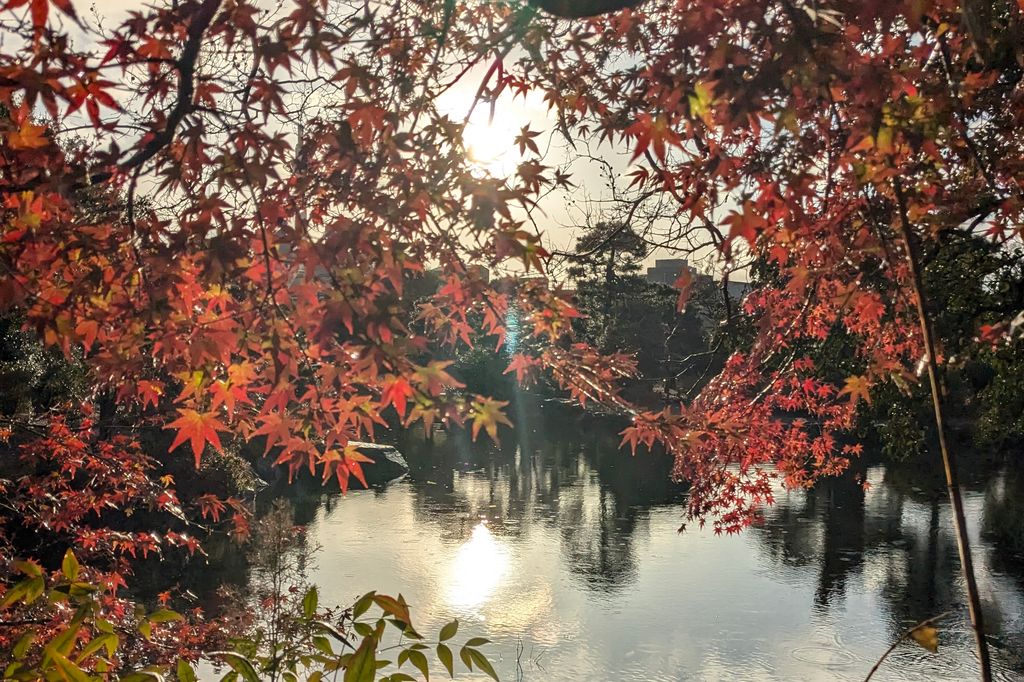
Autumn arrives softly, with russet tones and darker evenings, often as welcome relief from the intense summer heat. Window glass gets a sheen of condensation on cooler mornings, children wend their way back to school, and jumpers find their way back into the wardrobe.
September can be a sweet-spot moment for visiting Japan, between the fierce heat of summer and the increased footfall of leaf-peeping momijigari in October and November.
Autumn Falls – Risshû 立秋
Cool winds cut through (August 7th – 11th)
Cicadas sing in the evening (August 12th – 16th)
Heavy mists hover (August 17th – 22nd)
Easy Heat – Shosho 処暑
Cotton flowers puff (August 23rd – 27th)
Heat begins to soften (August 28th – September 1st)
Amber rice, ready to gather (September 2nd – 6th)
Pale Dew – Hakuro 白露
Droplets glisten on grass (September 7th – 11th)
Wagtails warble (September 12th – 16th)
Swallows swoop south (September 17th – 22nd)
Autumn Equinox – Shûbun 秋分
Thunder is silenced (September 23rd – 27th)
Insects nestle in warm earth (September 28th – October 2nd)
Water drains from fields (October 3rd – 7th)
Crisp Dew – Kanro 寒露
Wild geese arrive (October 8th – 12th)
Chrysanthemums flower (October 13th – 17th)
Crickets chirp on the threshold (October 18th – 22nd)
Frost Lingers – Sôkô 霜降
Early frosts form (October 23rd – 27th)
Light rain showers patter (October 28th – November 1st)
Maple leaves and ivy glow (November 2nd – 6th)
Winter - Fuyu 冬
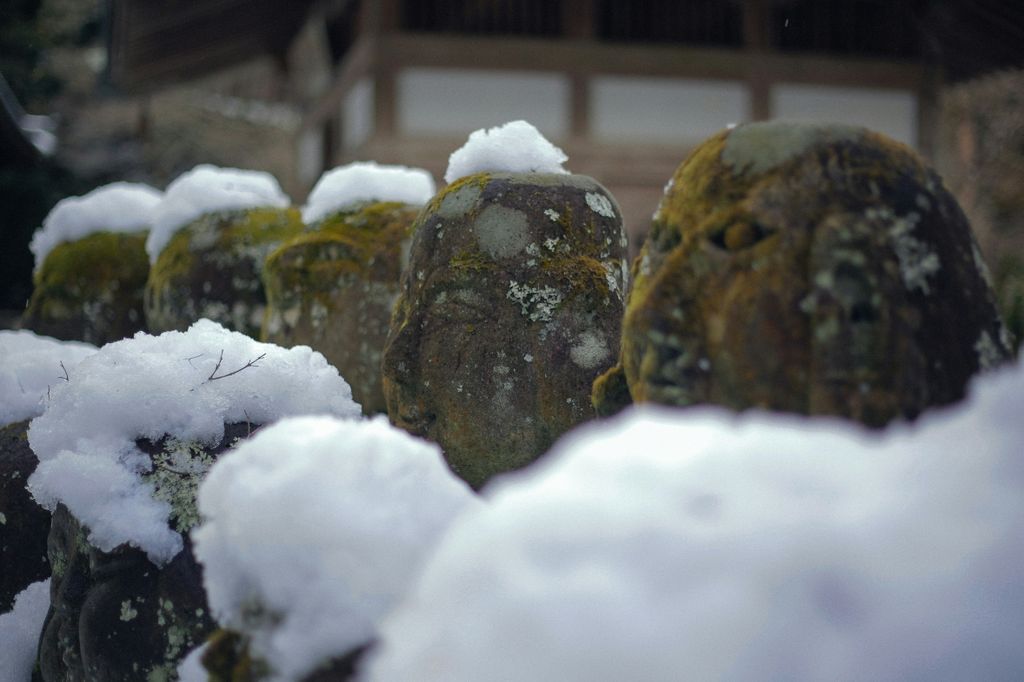
The start of December signals the proper start of winter for many and might, for some regions, bring the first few flurries of snow. Warm breath forms steam in the cold air, welcoming lights shine out through darkening evenings, and much of the natural world feels paused and still.
Japan is a lovely place to be in December, with Christmas in Japan having become a phenomenon in its own right! City streets twinkle with thousands of fairy lights, and the whole country gets fully festive in the run-up to the big day. During January and February, Japan’s winter landscapes are at their peak, seafood is in season, and the order of the day is wrapping up for warm walks or unwinding in steaming hot onsen.
Winter Enfolds – Rittô 立冬
Camelias bloom perfectly (November 7th – 11th)
Hard ground freezes (November 12th – 16th)
First daffodils bloom (November 17th – 21st)
Lightest Snows – Shôsetsu 小雪
Rainbows dim and fade (November 22nd – 26th)
Leaves fall as north winds blow (November 27th – December 1st)
Tangerines brighten orange (December 2nd – 6th)
Heavy Snowfall – Taisetsu 大雪
Cold snaps as winter begins (December 7th – 11th)
Bears slope off to hibernate (December 12th – 16th)
Salmon leap as they swim upstream (December 17th – 21st)
Winter Solstice – Tôji 冬至
All-heal still grows (December 22nd – 26th)
Deer shed their antlers (December 27th – 31st)
Wheat starts beneath snow (January 1st – 4th)
Slighter Cold – Shôkan 小寒
Water parsley thrives (January 5th – 9th)
Springs thaw and waters run (January 10th – 14th)
Pheasants crow through mist (January 15th – 19th)
Piercing Cold – Daikan 大寒
Dusky butterburs bud (January 20th – 24th)
Mountain rivers ice over (January 25th – 29th)
Chickens brood and lay (January 30th – February 3rd)
Get in touch with our specialists to plan your next seasonal moments in Japan.
Top journey ideas and places to explore





Inspiring experiences and places to stay
Lean into the details of your bespoke Asia trip to discover rare experiences, exceptional hotels, local connections, inspiring conservation and much more…
Start planning your journey here...
Give us a call 9am-5pm UK time Monday to Friday, or make an enquiry online at any time.


Talk to our expert team...
Every Asia trip we build is finely tuned to fit you, and that all starts with a chat. Let us know what you're hoping to see, feel and experience on your travels, and the places you're dreaming of, and your Asia Specialist will craft a route that includes everything you want and more.
The Selective Asia difference
-
 Bespoke journeys tailored just for you
-
 Unparalleled local knowledge and expertise
-
 Award-winning, nose-to-tail service
-
 Responsible travel
-
 24 hour local support
-
 Our flexi-booking promise and financial clarity

No ordinary Travel Company
Personally designed, exceptional journeys across Asia that champion a passion for travel with care for community connections and the planet.
Unfollow the herd.


Fully protected and flexible bookings
Selective Asia is a fully ATOL licensed and bonded tour operator, and our flexi-booking promise offers increased protection & peace of mind.,