









The future of tourism – what is the true cost of viable travel?




In this blog Nick talks about some important topics since travel starts to open up again…
As travel continues to evolve, so do the conversations around it’s impact. From over tourism and conservation to supporting local communities and travelling more thoughtfully. Nick explore some of the questions shaping the future of tourism in Asia.
Start planning your journey here...
Give us a call 9am-5pm UK time Monday to Friday, or make an enquiry online at any time.
Bhutan, a case study: shooting for success or doomed to failure?
Now that the world is back in its tourism stride, countries are scrambling to try to balance the books and make travel more sustainable. Many governments are implementing or increasing visitor taxes to recuperate lost earnings and strengthen their resilience. However, the amounts being charged are often very small, certainly when absorbed into the cost of the overall holiday (for example Thailand will charge £8 per visitor from September 2023), and the income they generate barely scratches the surface.
Bhutan is a case study in how to push these frontiers much further. They have prioritised ‘high value, low volume’ travel, charging each visitor an extremely large daily entry fee to keep income high and footfall low. Without these kinds of measures, Bhutan risks becoming a victim of its own desirability, making compromises for mass tourism and weakening its legendary sustainability. They could easily become just another, more mountainous Bali – home to rich, low-impact cultural experiences, but also to significant pockets of overtourism.
The high fee undoubtedly takes Bhutan off the table for most travellers, but lower footfall will maintain the quality of the experience for each guest who does make the journey. Is Bhutan on the right path or is there a more inclusive alternative?
A little background
When Bhutan first opened its borders in 1974, the kingdom implemented a centrally-collected daily tariff for each visitor. This charge covered food, board and touring, as well as a Sustainable Development Fee (SDF). The SDF portion of the charge was set at $65 in ‘74 and has, until recently, remained unchanged. SDF income is put towards environmental projects, education, carbon mitigation, improvements to infrastructure and training workers in the tourism sector and beyond.
Recent developments
This year, the Bhutanese government announced major changes to their visitor charging system and the first ever increase to the SDF, putting it up to $200 per person per day*. This increase has been implemented to account for inflation over the past 40 years, as the value and effectiveness of the original $65 has diminished significantly in that time. As of September 2023, a reduction has been introduced meaning the SDF is cut to $100 per person per day for travel up to August 2027.
The initial steep rise of the charge all in one go has, however, caused something of a stir within the travel industry, to say the least. Regardless of the faultless logic in respect to inflation and value, the reality of the sudden increase puts Bhutan, which has always been somewhat of a specialist travel destination, into the realms of extreme exclusivity.
A protective and progressive policy
It’s important to remember just how small Bhutan is in terms of both GDP (181 out of 216 in world rankings, with East Timor the only Asian country lower down the list) and population (circa 770,000). Aside from tourism, the kingdom has very little industry and even less global exposure or awareness. The SDF brings in substantial central revenue whilst keeping tourist footfall low. This relieves economic pressure on the government to reallocate land for other uses, such as agriculture or manufacturing, and the kingdom is able to keep its environmental protections (which have made it the world’s first carbon negative country) firmly in place.
Crucially, the SDF policy shows that the Bhutanese government delivers on their promises, both to put the environment front and centre and to ensure their country thrives. The recent increase sends a strong message that this isn’t a token policy – the new charge can realistically raise enough income to insulate and protect the landscape and its citizens going forward. Bhutan is kept ‘clean and green’ and the distinctive De-suung [https://desuung.org.bt/ ], or Guardians of Peace, lead the way in working for the benefit of the whole community as well as providing training across many sectors for the country’s young people.
Most importantly of all, the policy is succeeding – the results are phenomenal, and clearly evident to all who visit the kingdom. Bhutan is leading the way in real sustainability, maintaining its unique carbon negative status, keeping over 70% of the landscape as forest and 51% as National Park, and receiving consistently positive feedback from the inspiring social and education initiatives mentioned above.
The cost of a light footprint
Although it’s refreshing to discover a nation taking a strong approach at a government level, benefitting the entire population, not just key stakeholders, it doesn’t come without downsides.
The first fear is that many locally-run businesses will be priced out of the market. Visitors prepared to lay out $200 per day to set foot in the country will also likely be keen (and able) to pay a premium to ensure that their stay is as luxurious as possible. Therefore, the mid-range hotels, which are mostly locally-owned, will lose out to internationally-owned, high-end brands. The country has already seen closures of some of its small independent properties since the hike in SDF fees.
The second concern is that the sudden increase will reduce tourist footfall too far. Although keeping numbers low is part of the strategy, if they drop too much even the increased per person income won’t be enough to compensate and the overall tourism revenue will fall. Even some of the country’s high-profile lodges are showing the strain – to operate profitably they all need certain levels of occupancy which aren’t currently being reached.
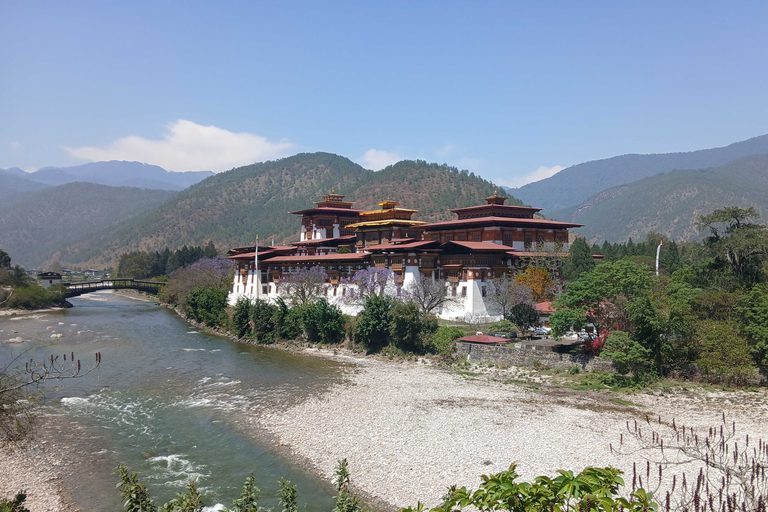
A third issue is that the increased levy is leading to shorter trips which naturally centre around Paro and Punakha, without enough time for visitors to reach the country’s further regions. This creates (albeit still relatively low) overtourism in just a couple of areas and means that the outlying regions have much greater issues with reduced tourism income.
Some of these sticking points are already being addressed and (as of September 2023) Bhutan has just announced a backwards step of sorts by way of a softer launch of the increased SDF. The per day charge has been reduced to $100 pp/pn for travel until August 2027. Perhaps, allowing local hotels and other businesses to reposition their operation and offering. Could it be made permanent if it is shown to work well?
What next?
There’s a strong argument that travellers should contribute more directly to mitigating the negative effects of tourism. Typically, the majority of travel income goes into a very small number of pockets, often outside of the country being visited as large overseas corporations run and manage many bigger-brand hotels and businesses. Yet the wider costs of a temporarily-increased population, such as pressure on waste management and transport infrastructure and greater ‘wear and tear’, fall directly on local communities, which feels unbalanced.
Should more countries follow Bhutan’s lead and be bolder in their direct visitor charges to cover these extended costs? Are there other ways to increase tourism income and strengthen sustainability whilst still keeping borders open to travellers on less generous budgets?
Ensuring that a meaningful amount of tourism income stays in-country should be a top priority, and Bhutan’s SDF certainly brings benefits for the kingdom’s communal wellbeing. However, tourism’s potential to distribute wealth more fairly is lessened when local businesses are excluded from making a living from it independently. A certain level of entrepreneurship within Bhutan will be lost if the high charges cause small hotels and satellite businesses to close, weakening the local connections which for many (including myself) are the holy grail of travel.
A balance needs to be struck. Some effects of big-brand, externally-owned hotels and businesses can be positive – they bring huge benefits to lesser-known destinations in terms of driving high-quality travel via their reliable reputations, as well as putting money directly into the pockets of local people through the engagement of local suppliers and staff.
Bhutan’s history of fresh thinking and doing things differently should give us reassurance that they know what they’re doing. Perhaps the locally-owned market will adapt and find its place? Bold fees like the SDF might well be the right decision for Bhutan, but perhaps each country needs to look at its own situation to see how well these kinds of amounts would sit, without being afraid to charge fair amounts that support their values and tourism vision? Change often feels radical and uncomfortable to begin with, but is that simply the cost of creating travel that really ‘walks the walk’ in terms of benefitting the countries we love to visit? I’m watching closely to see what comes next.
Get in touch with our team of experts to start planning your next adventure.
Top journey ideas and places to explore


Inspiring experiences and places to stay
Lean into the details of your bespoke Asia trip to discover rare experiences, exceptional hotels, local connections, inspiring conservation and much more…
Start planning your journey here...
Give us a call 9am-5pm UK time Monday to Friday, or make an enquiry online at any time.
Talk to our expert team...
Every Asia trip we build is finely tuned to fit you, and that all starts with a chat. Let us know what you're hoping to see, feel and experience on your travels, and the places you're dreaming of, and your Asia Specialist will craft a route that includes everything you want and more.
The Selective Asia difference
-
 Bespoke journeys tailored just for you
-
 Unparalleled local knowledge and expertise
-
 Award-winning, nose-to-tail service
-
 Responsible travel
-
 24 hour local support
-
 Our flexi-booking promise and financial clarity
No ordinary Travel Company
Personally designed, exceptional journeys across Asia that champion a passion for travel with care for community connections and the planet.
Unfollow the herd.


Fully protected and flexible bookings
Selective Asia is a fully ATOL licensed and bonded tour operator, and our flexi-booking promise offers increased protection & peace of mind.,