



Vietnam travel guides
Vietnam’s slim, winding outline contains huge diversity, with each city’s distinct identity adding another facet to the jewel. Hanoi’s fascinating jumble of architectural styles and scrumptious street-food offers a gateway to exploring the rural north in Ha Giang or Mai Chau. Visit the coastline just along from over-touristed Halong to see the region’s eye-catching limestone karsts as they should be, before venturing south to the imperial city of Hue and HCMC’s cultural hub. Travel through the laid back Mekong Delta, or head to Nha Trang, or the classically tropical island of Con Dao, for a little beachside bliss.
Our big three in Vietnam
Obviously there's a lot more, this is just to get you started...
Street food stroll through Hanoi
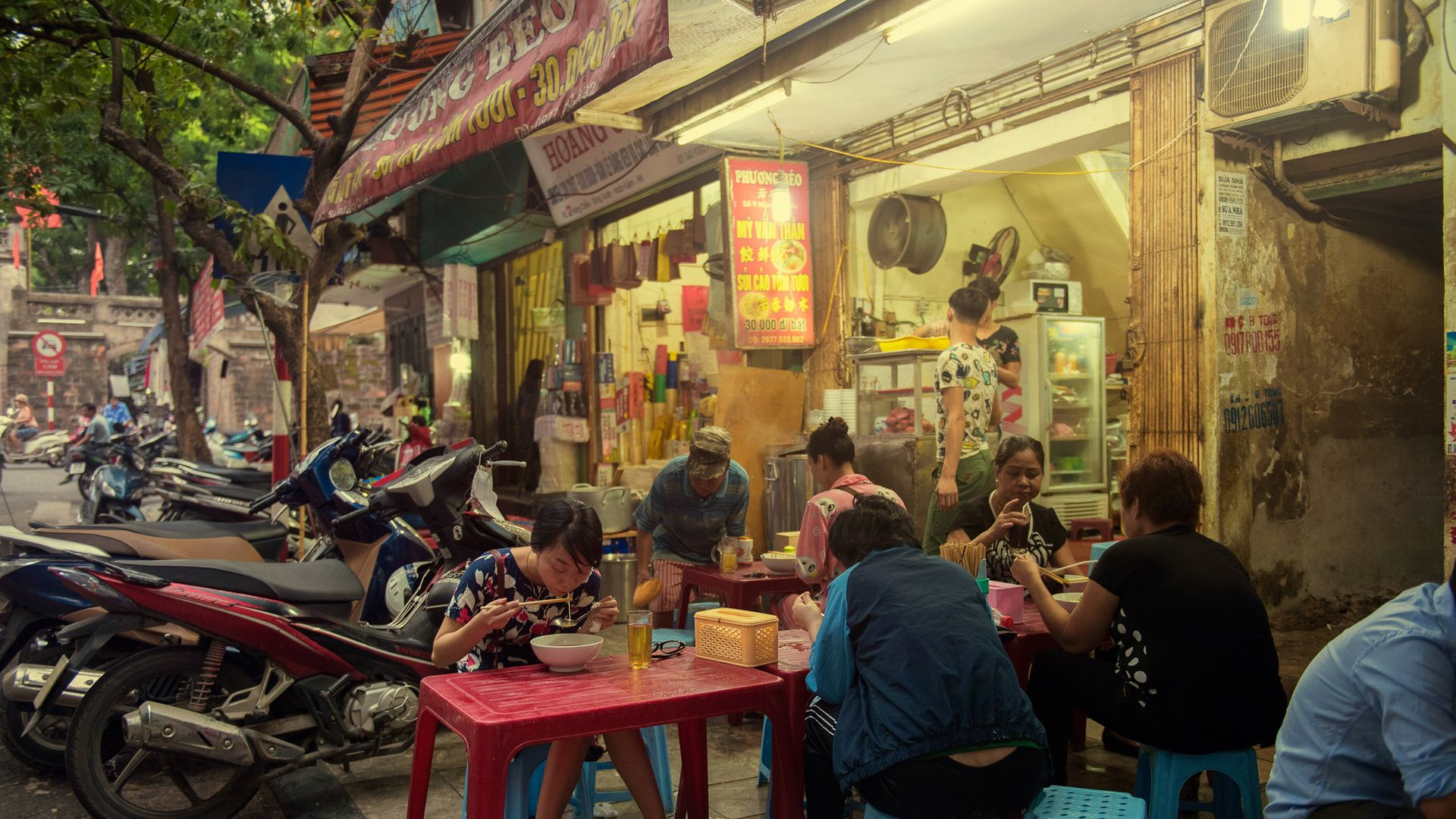
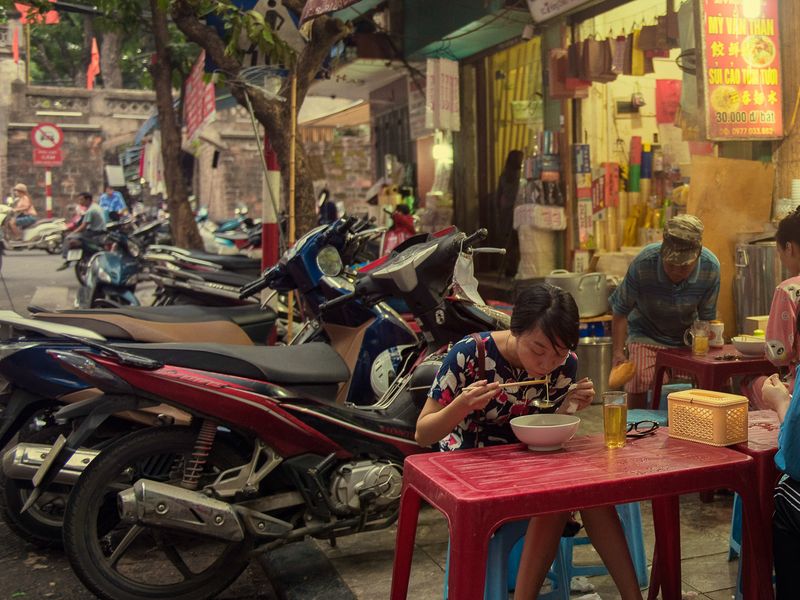
There are literally no excuses not to eat your way around Hanoi. Several streets promise an ever-present swirl of steam and smoke, so pull up a pew and tuck into a bowl of pho bo or bun cha before breaking out a banh mi ‘to go’ as you continue to browse with all your senses. Hanoi's indoor and outdoor markets offer an altogether more organised approach to eating (sort of); if you're looking to make the most of every single mouth-watering minute, the night market in the Old Quarter is the best place to slurp, crunch and snack your way to edible enlightenment.
Slow the pace in Mai Chau…
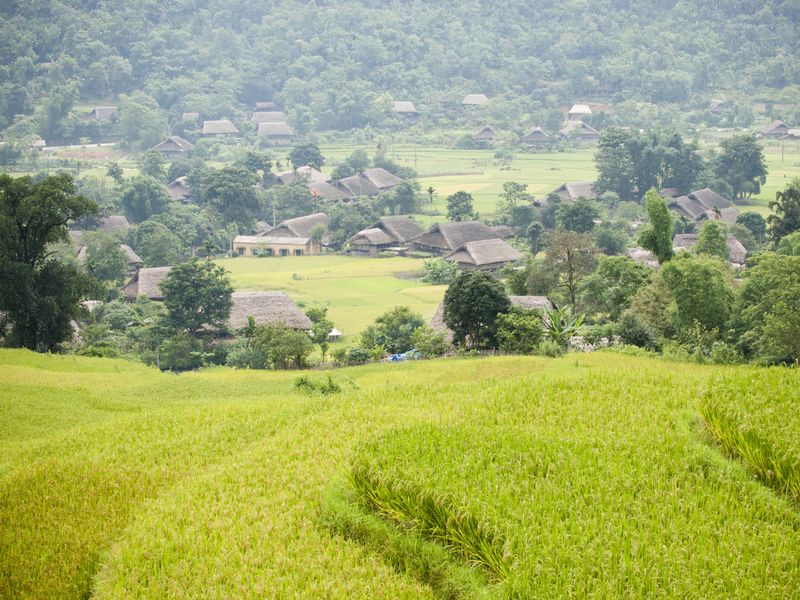
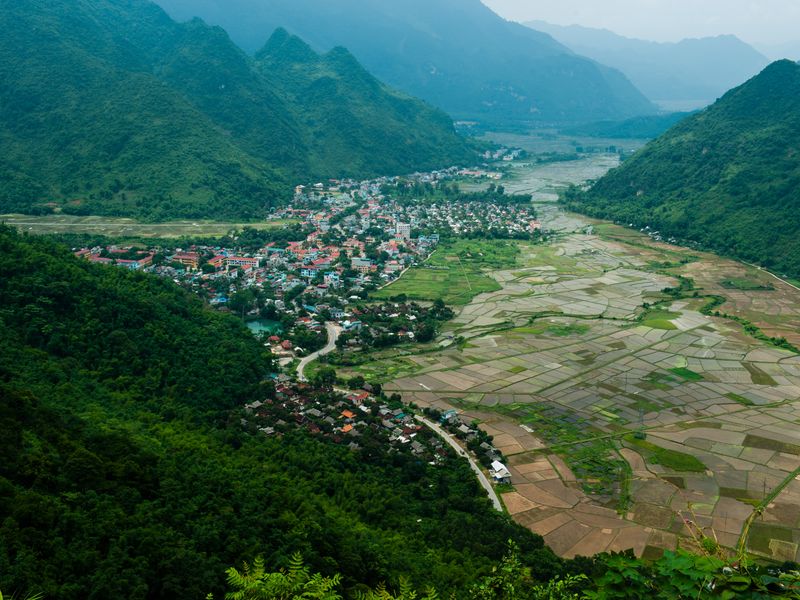
Hanoi’s ever-present rush might leave you in a mild state of shock, but as soon as you see the spirals of smoke pirouetting from the villages of Mai Chau Valley, all stressful road-crossing memories will be replaced with something far more relaxing. This is where rustic-yet-stylish, thatched, stilted bungalows beckon weary travellers, while swimming pools and massage treatments await in the days ahead. Sit, cocktail in hand, in your own private garden, and gaze over rice fields stretching seamlessly towards forested slopes shrouded in mist. If there's a better way to unwind after a few days’ city exploring, please let us know!
So long to Halong…
Halong Bay heralds one of Vietnam’s most iconic images: a lone white boat cruising among limestone karsts that rise from a perfectly azure sea... Unfortunately, this idyll is very far from the reality of the bay’s huge over-tourism problem, rendering any thoughts of a genuine experience there hopeless. However, just 20km north east along the coast, Lan Ha and Bai Tiu Long bays are how Halong used to be: unspoilt, peaceful and respectfully visited. Wake early aboard your wooden junk boat to witness the mist enveloping the limestone karsts. Watch fishermen cast their nets, and birds flit and fly from foliage that clings to sheer rock faces. The water is clear, the ambience untouched, and the peace and quiet is wonderfully dreamy.