Hue
To visit Hue and underplay its history would be a mistake. This is a quiet, unassuming little town which you can explore easily in a day, pausing for a bite to eat while you wait for a suit to be sewn at the tailor’s next door. Step outside of the sleepy town centre, however, and you'll see why this was once Vietnam's capital city. A vast stone walled citadel sits on the banks of the Perfume River, whilst further inland Vietnam's last emperors, the Nguyen Dynasty, can be found entombed within a tranquil tiered garden. Settle into the city’s peaceful pace, hunker down in a riverside hotel, and watch the world go by…
A few things to do in Hue
Obviously there's a lot more, this is just to get you started...
Imperial history
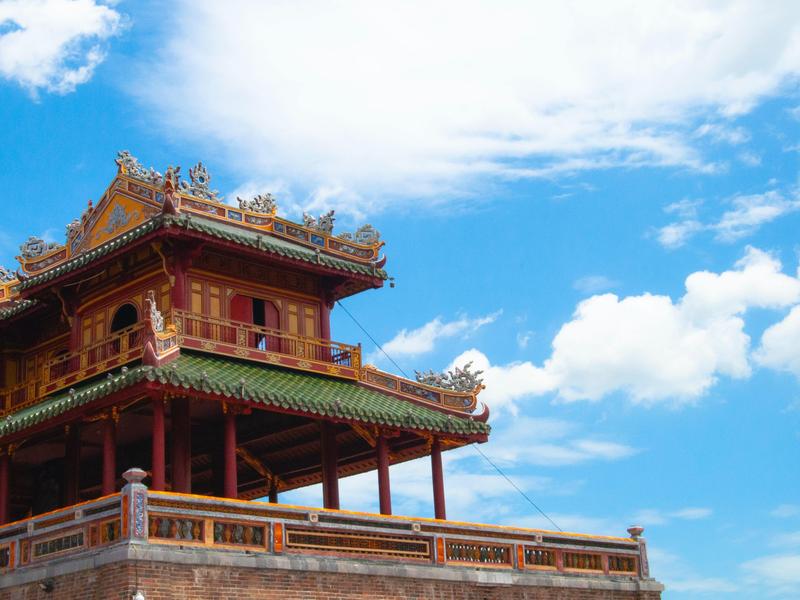
A short cycle ride from central Hue brings you to the Imperial City. This huge, stone stronghold was once the capital of Vietnam and the size of the place is immense. The walls are thicker than elephants and there's even a moat to keep out invaders. Wandering around the citadel is actually quite a serene experience, with classic Chinese-style gables turning upwards from multi-tiered pavilions and opulent interiors ensuring a reverential ambience is observed throughout. But the Imperial City hasn’t always remained so quiet. Explore with one of our knowledgeable local partners and they'll point out the scars of artillery fire from one of the American War's bloodiest chapters, the 1968 TET offensive, that still remain to this day.
Thien Mu Pagoda & Imperial tombs
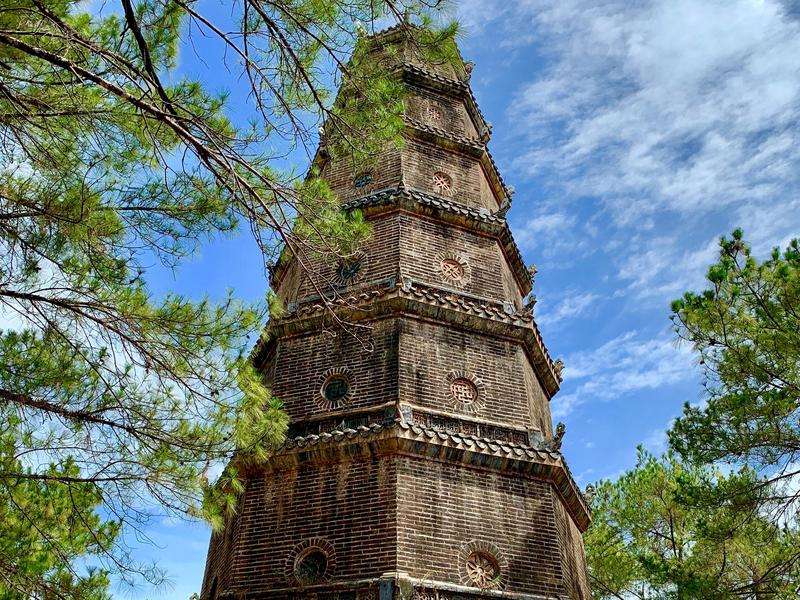
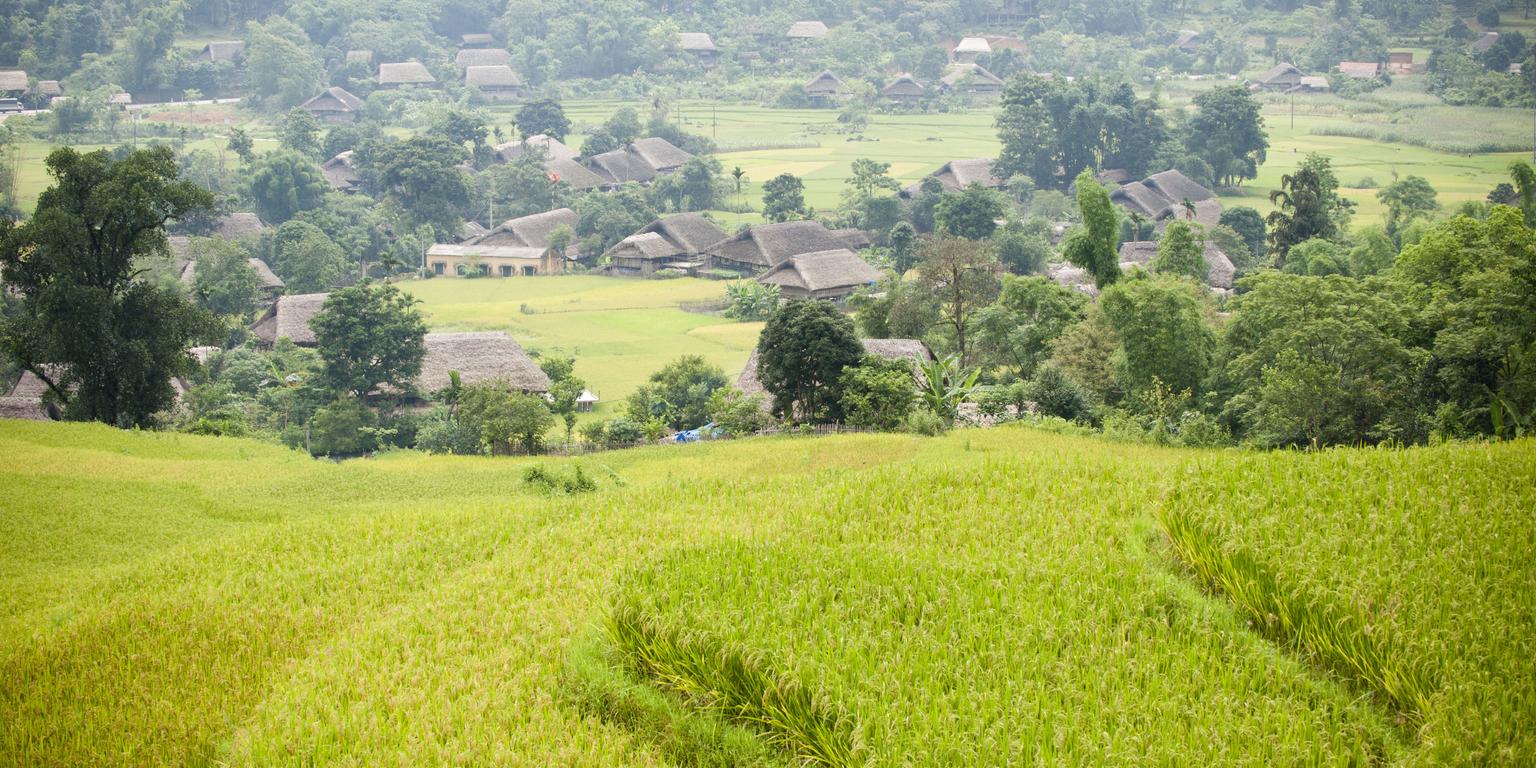
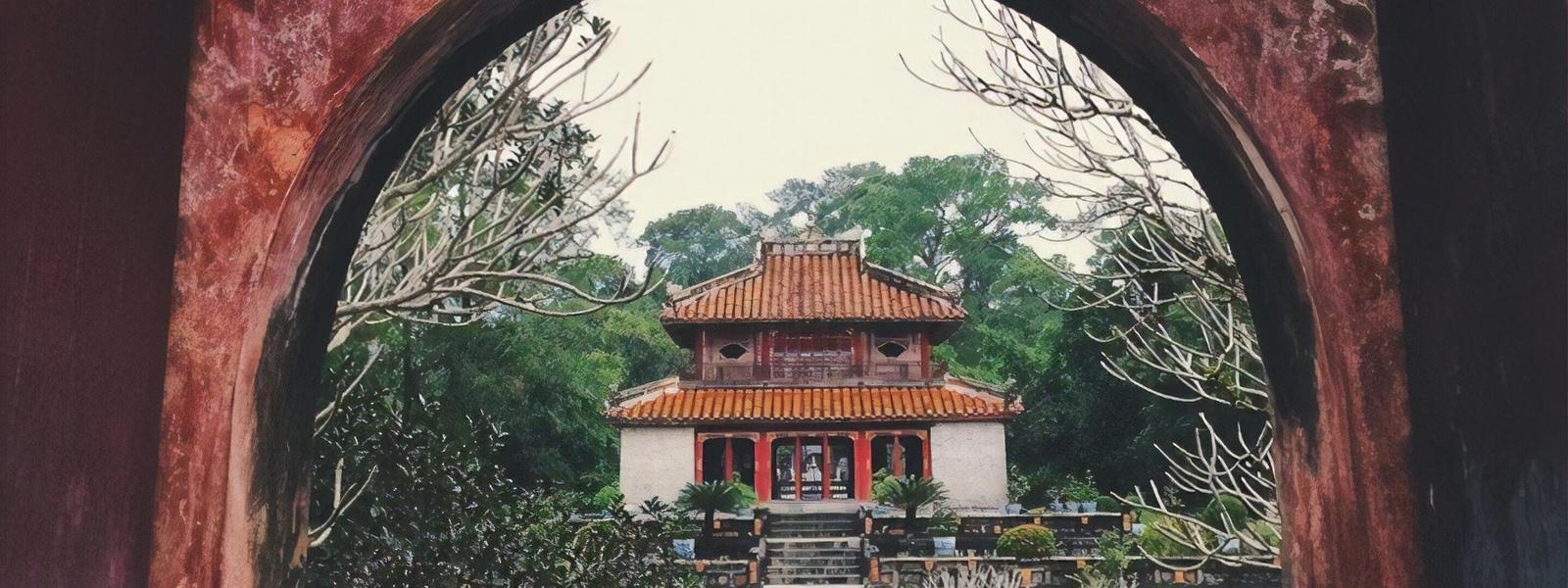
Cycle for a further five kilometres from the Imperial City, along the Perfume River's north bank, and you'll find the Thien Mu Pagoda. Towering seven storeys above the ground, this octagonal temple is one of Hue's most iconic symbols and a good place to head to if you fancy a morning's cycle ride. If you've got time, there's another important Nguyen Dynasty site worth visiting, about 20kms from central Hue: the tombs of Vietnam's last emperors set on a hillside bordered by pine forests and lush green farmland. Although slightly remote, they're well worth a visit if only to enjoy the cooler climate as well as the lotus-filled lakes, well-preserved statues and peaceful terraced gardens.